The Recovery Standard · Volume I · 2026
The Recovery Standard
A permanent mental and emotional reset room, built inside a company’s own office floor. This is what is in it, how a visit gets counted, and where each published figure came from, including the limits of the record.
Need a version you can circulate internally?
Read the full volume here, or request the PDF from the measurement page. It asks for only the details needed to send the file and gives your team a useful way to return to the decision.
A reset room, installed inside the office you already pay for
Zen Garden is built to live inside an office, as part of the working day.
The question underneath all of it has not changed: what can be there for someone on an ordinary working day, between two meetings, without an appointment? The answer had to be permanent, inside the building, and open to scrutiny.
That last condition is what this volume is for.
One room, inside the floor you already have
Not an extension. Not a new building. One room on a floor a company is already paying rent on, and the distance from the desks is the entire point.
What follows
Twenty-two chapters. The architecture first, because that is what the room is. Then the counting, which is what the room can be argued about.
We sold the things that go unused
Zariyaa has run yoga days, health workshops, a wellbeing festival and employee assistance programmes inside offices for years. That work is good. It still runs. And it ends when it ends.
Friday afternoon everybody is loose and calm. Tuesday the same person is braced at their desk again, and the next session is five weeks out. That is not a failure of the session. It is what a session is, and we sold them for years before we wrote that down anywhere a client could read it.
The Zen Garden is what we built after admitting it. Several of the organisations with a room met us at a yoga day first, which is either an awkward fact or the honest one, depending on how you look at it. We think it is the honest one. The day worked. It just stopped.
Some of what follows is nervous-system science. Some of it is craft and lineage, written down as exactly that rather than dressed up as research. Where we do not have a number we can stand behind, the gap is left where you can see it. There are at least four of those, and each one is marked.
What we are not going to cite
Documents like this one usually open with a borrowed statistic about burnout. We do not run that research, we cannot show you its method, and a number we did not produce is the first thing a careful reader tests and the first thing that comes apart in their hands.
So this chapter is short. Every number in this volume comes out of our own rooms, and each arrives with the window it was measured over and the population it was measured on, in the same sentence, so a reader who lifts one line carries the qualification with it.
What we can report is what people tell us in their own buildings, before we have asked anything. They arrive braced. They stay braced through the day. They take it home. That is an observation, not a finding of ours, and it is written here as an observation.
What we can describe
Almost every people leader who calls us has already bought something for this and watched it go quiet. They are not asking for another thing to launch. They are asking for something that will still be used in the quarter when nobody has the energy to launch anything.
We sold two rows of this table. Then we built the last one
The organisations we meet were not failing at this for lack of care. Most were spending real money on it. They were failing because every option they bought asked the employee to act at the precise moment they were least able to act, and nobody selling those options had noticed.
A gym subsidy needs a habit held through the worst quarter of the year. An app needs opening on the day it is least likely to be opened. Each asks a depleted person to generate energy they do not have in order to recover energy they have already spent. Our own yoga days sat in that column, and we were the ones selling them.
| On the budget line | What it asks of a depleted person |
|---|---|
| Gym subsidy | Form a habit, and hold it through the hardest quarter |
| Wellbeing app | Open it on the day it is least likely to be opened |
| A yoga day, ours included | Nothing on the day. Then five weeks of nothing at all |
| Assistance line | Make a phone call, with nothing left to make it with |
| Zariyaa Zen Garden | Nothing. Walk in. |
There is no usage column on that table, and there should be
We have no sourced adoption figure for the first four rows, including our own, and we are not going to borrow a competitor’s. The one row we can evidence is the last: one floor at Flipkart Bengaluru, 47 visits in week one, 184 visits a week by month three on that same floor. Both from zone-level visit counts. Word of mouth, no campaign behind either.
A table with one column filled in is a worse-looking table and a more honest one. We would rather hand you the gap than fill it with somebody else’s research.
This is a friction problem wearing the costume of a motivation problem. Take the friction away and usage stops being something anyone has to be talked into. Offices make room for meetings because work needs collaboration, and for cafeterias because people need to eat. A permanent reset room belongs in the same conversation: it is a practical part of a workday, not another campaign asking people to participate.

A break can help. It is not always enough.
Coffee, conversation and a walk outside can all make a hard day easier. They are worth having. They also depend on time, permission and a person knowing what they need in that moment.
Zen Garden offers a different kind of first step: a nearby room, a short guided pause and no need to explain the visit. We describe the room’s purpose clearly. We do not present it as treatment or promise a medical outcome.
What the room is designed to make easier
We use recovery in its everyday sense: having a quiet, private place to pause and return to work with a little more steadiness. The room is preventive and supportive. It is not clinical care.
- Low effort
- The room is on the floor, so a person can walk in between meetings instead of planning a separate activity.
- Privacy
- There is no booking, badge scan or report to a manager. The visitor chooses how much to say and do.
- Guidance
- A Zen Expert is present every working day to welcome people and offer a simple place to begin.
What a visitor can do here
| Start with | What is available |
|---|---|
| Balance | Breathwork, sound, a seat and a little time away from the desk |
| Blossom | Writing, reflection and prompts for naming what the day has brought up |
| Bliss | Quiet, grounding tools and space without a task attached to it |
Balance offers a simple beginning: sound, breathwork and a place to sit. A visitor can use it for two minutes or longer. Nothing is prescribed.
Everything here was placed on purpose
The colour on the wall was chosen before anything was put in front of it, and the singing bowl was tuned before it entered the building. None of it is arranged for how it photographs.
The next four chapters set out the reasoning behind each decision in enough detail that you can disagree with a specific one rather than with the room in general. Some of what is in them is not science and is not offered as science. Where that is the case we say so on the line, not in a footnote.
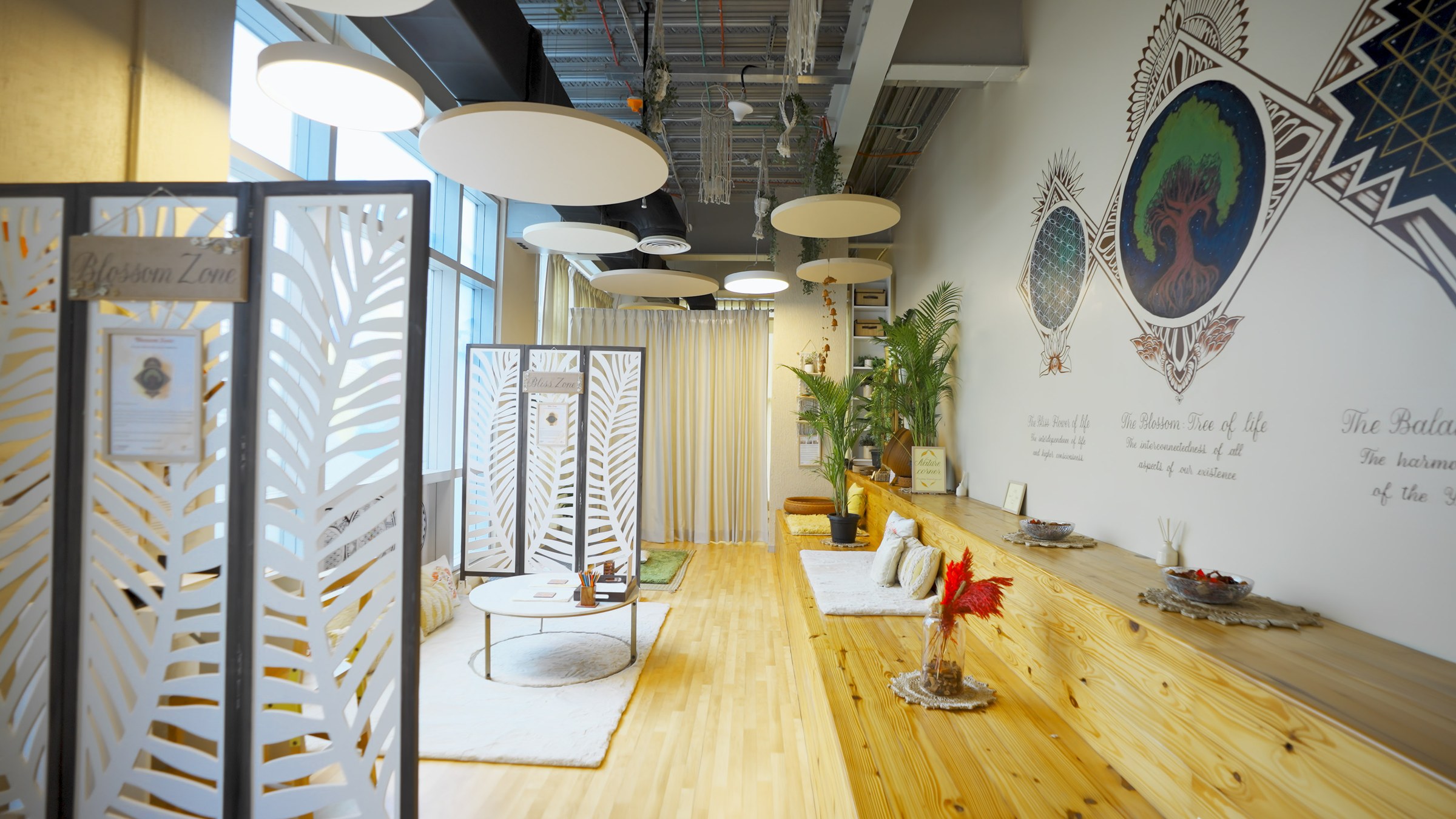
Colour is the first decision made
Before a single object is chosen: what colour is this wall, and what is it being asked to do to the person standing in front of it. We are not going to put a measurement on that. Cool and warm tones are put to different work here, deliberately, and the reasoning is published so you can disagree with it.
- Cool: blue, green, lavender
- Used at the entrance because the cooler end of the room feels visually quieter. It is a design judgement, not a medical claim.
- Warm: terracotta, soft orange, gold
- Used in the reflection area to make it feel distinct from the entrance. It marks a change of pace without telling a visitor what they should feel.
The light above it
The room uses softer lighting than the open office, with brighter and dimmer settings for different parts of the day. The aim is simple: make the room feel separate from a desk without making it theatrical.
Every wall, mat and object has a job in the experience. The job is described here so a buyer can decide whether it belongs in their office.
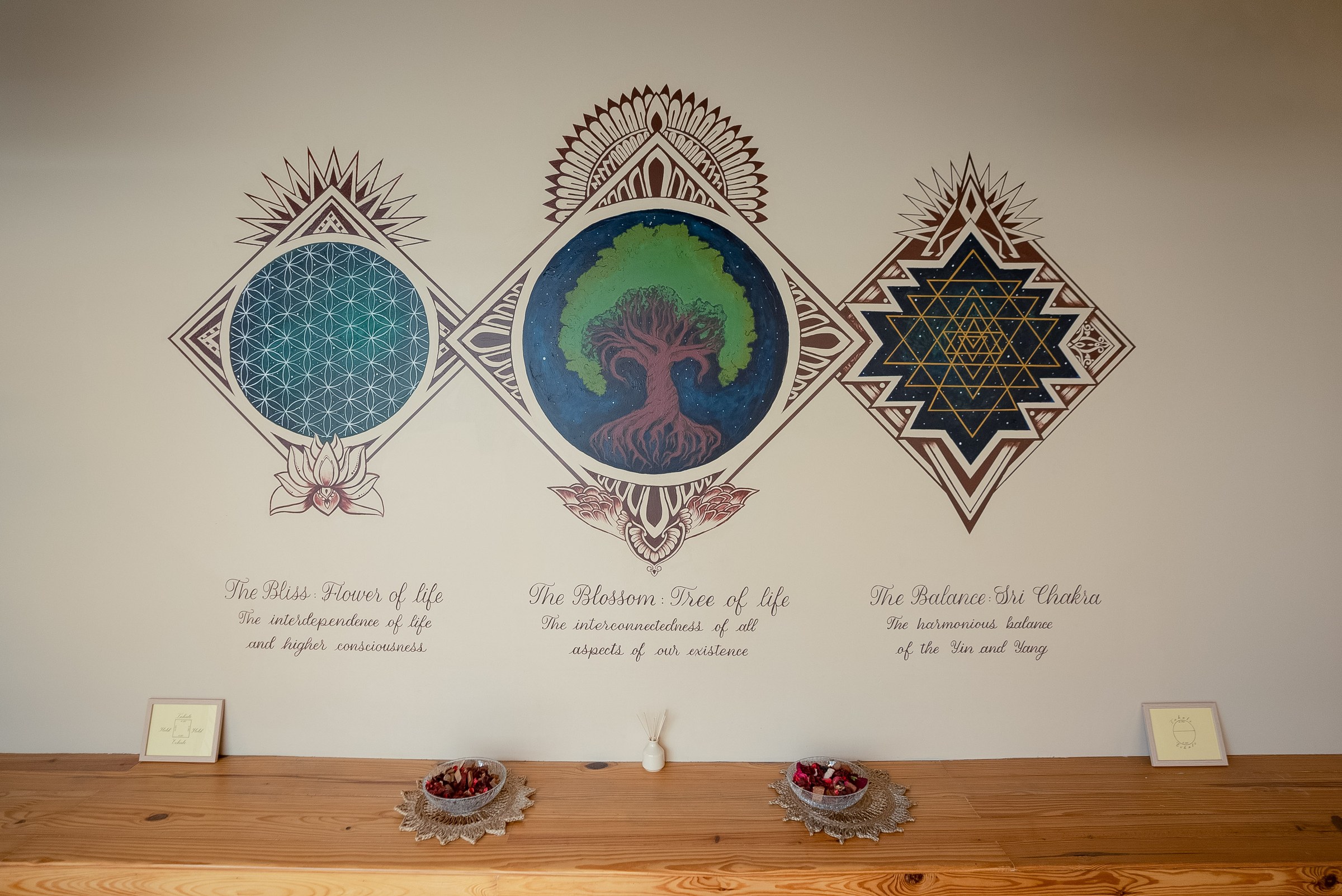
The walls are not surfaces. They are the first thing that touches you
The paint. The walls use a mineral-infused, non-toxic paint, chosen for its finish and the way it holds the room’s light. The materials and the application are part of Zariyaa’s own design practice. They are not presented as treatment or as a health claim.
The geometry. The wall art marks the threshold of each zone. Flower of Life, Tree of Life and Sri Chakra are placed so the shift from one part of the room to the next is visible, not hidden inside a decorative scheme.
Quartz, amethyst and selenite are used as physical materials in the room. Their role here is part of the sensory and visual composition, not a clinical claim.
Every instrument has a lineage
The auditory layer is made of sound tools and recorded audio chosen for a slower, less busy soundscape than the open office. It is designed to support a short pause. We do not make a claim about what a particular sound does to a person.
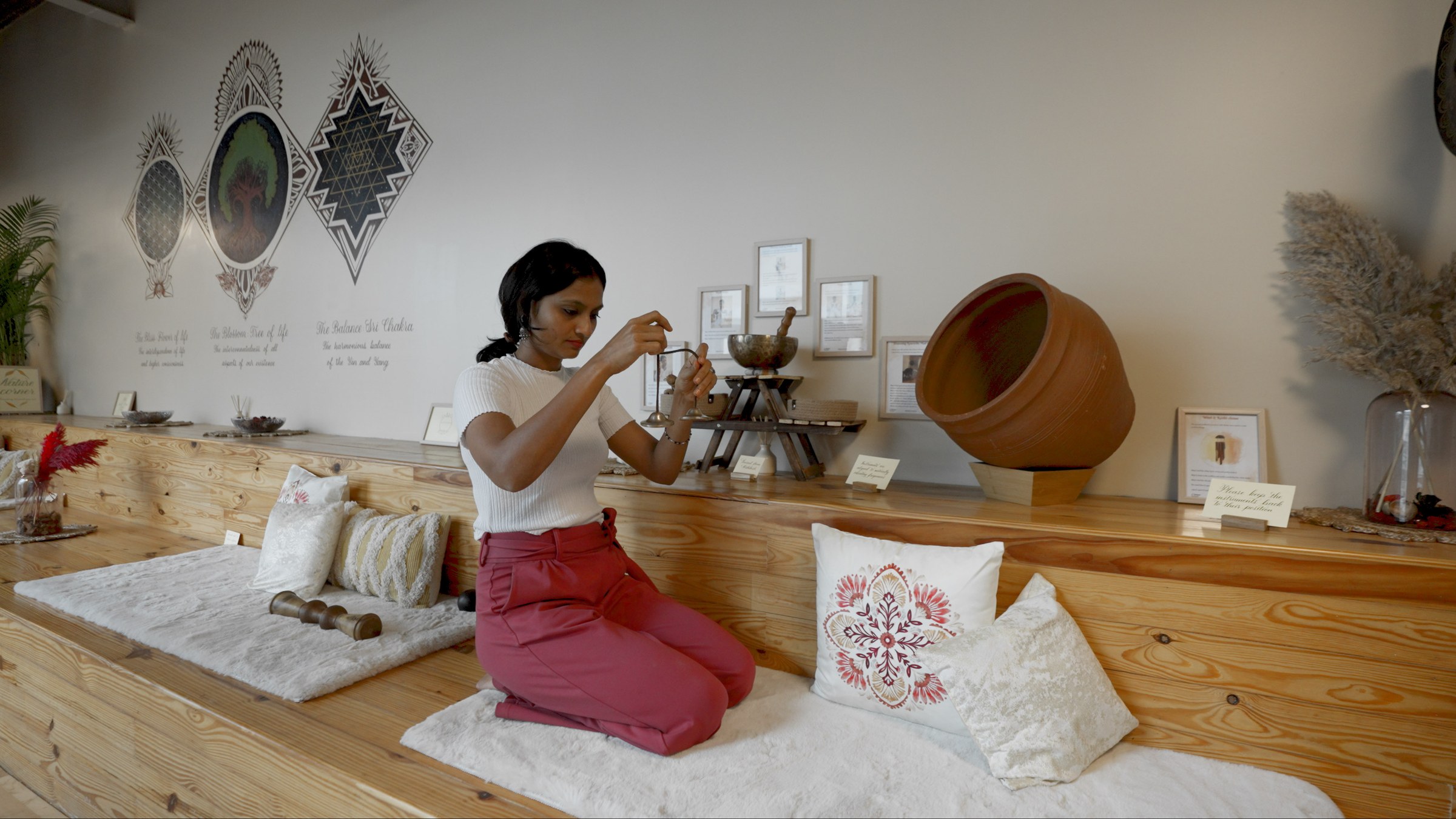
Every sound tool carries a lineage: Tibetan singing bowls, wood shakers, crystal harps and ocean drums. They are selected for the room one by one, and used only when a visitor wants them.
Materials chosen for a room people can use
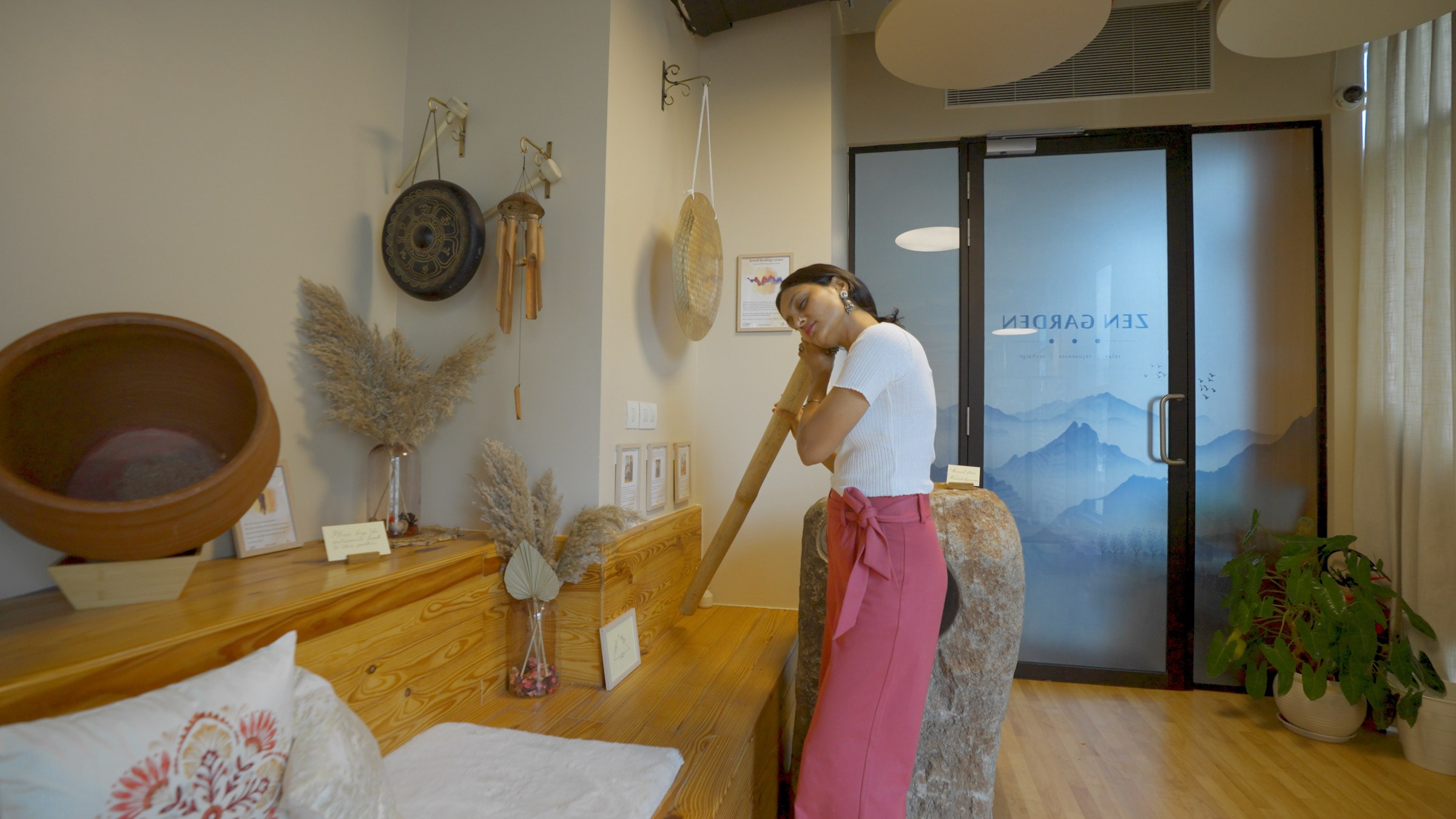
Materials. Bamboo and pine floors, natural textiles, stone and brass. They are selected for touch, durability and the difference they make from a standard office fit-out.
Divine Oil. The air carries Zariyaa’s own aromatic blend, including lavender, frankincense and sandalwood. A Zen Expert can offer a slow breathing prompt. Visitors can use the room without scent or guidance if they prefer.
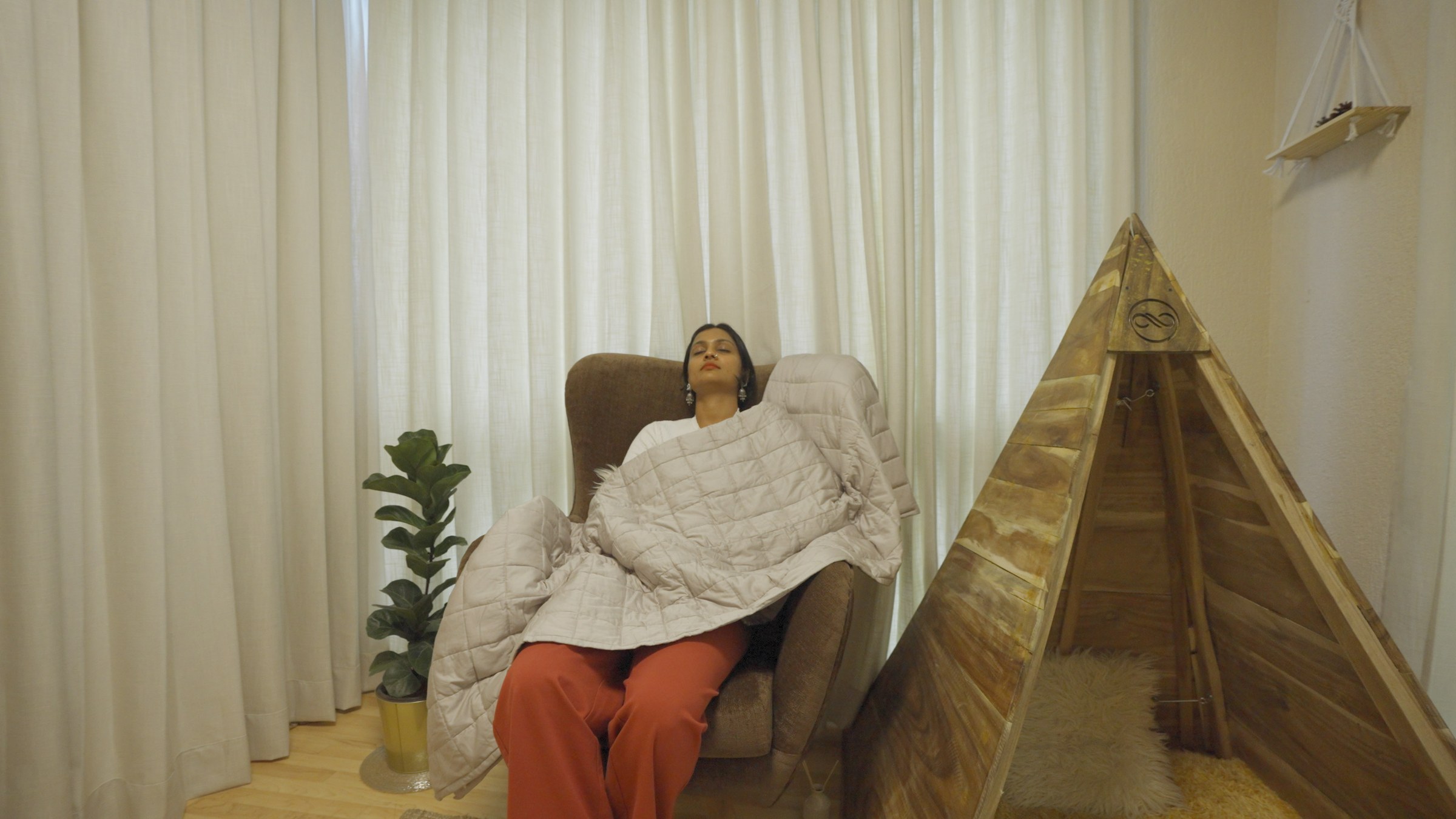
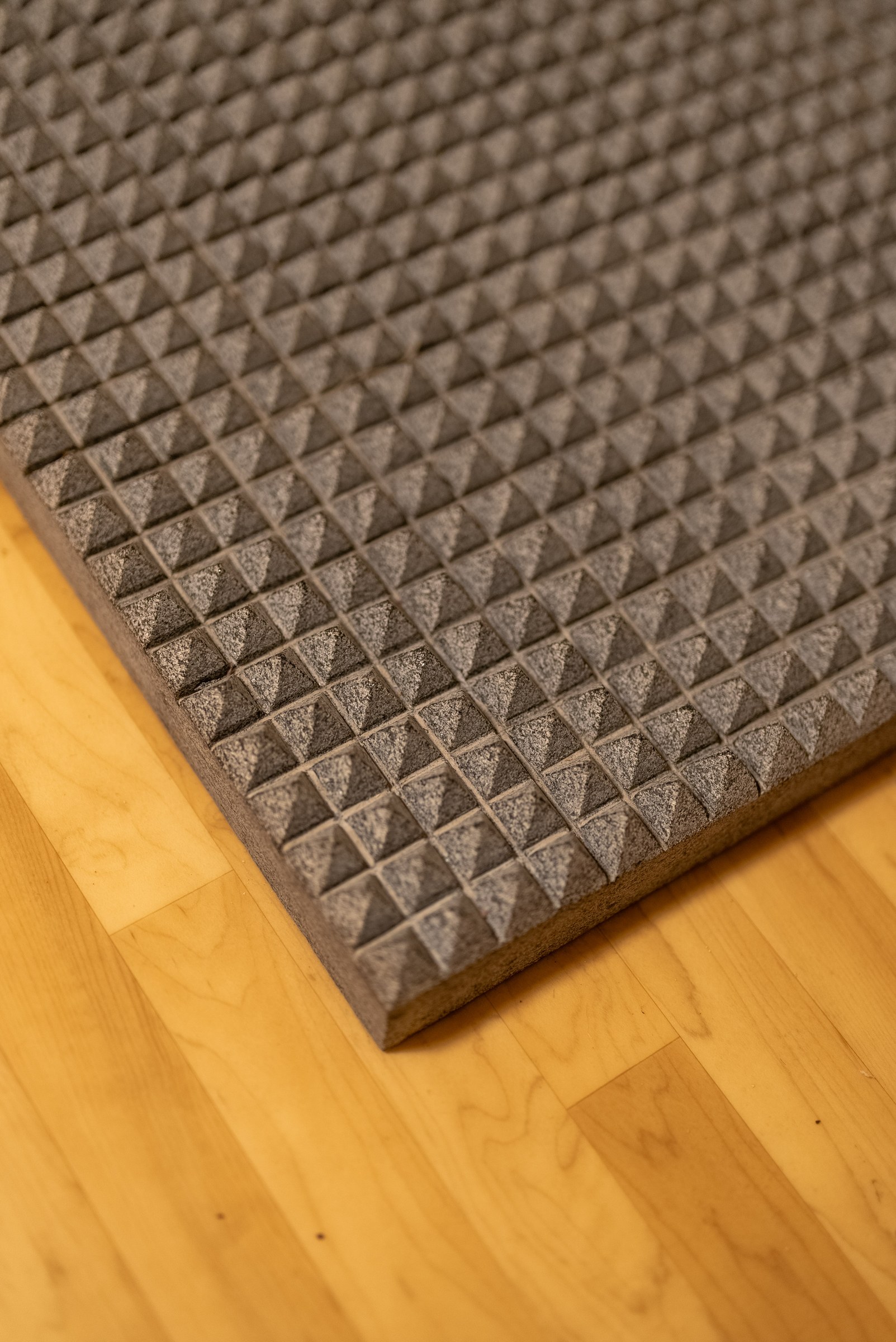
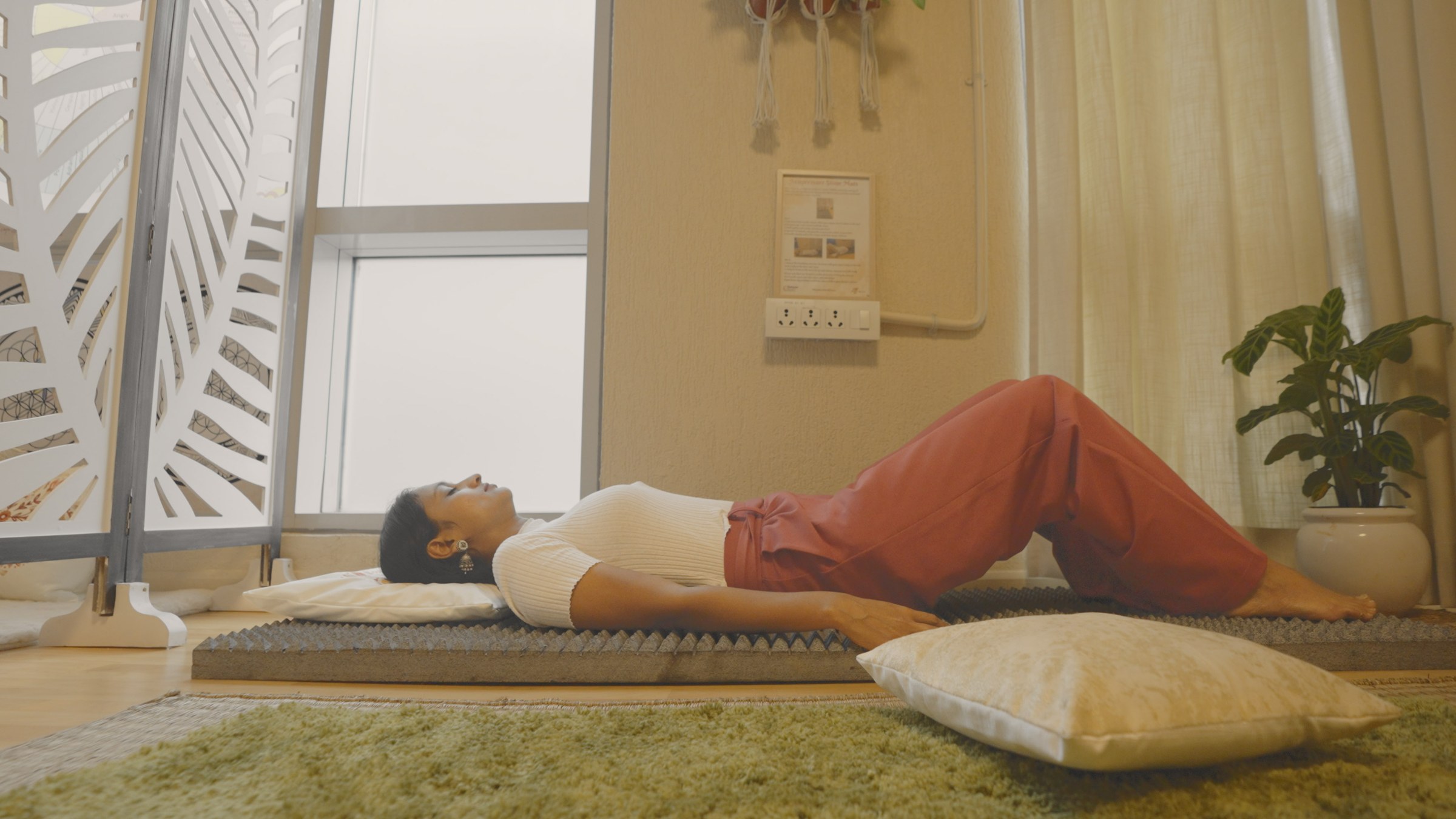
Oxytocin mats. Weighted, textured mats with warmth and steady pressure. The name is ours. It describes the intended feeling, not a measured outcome.
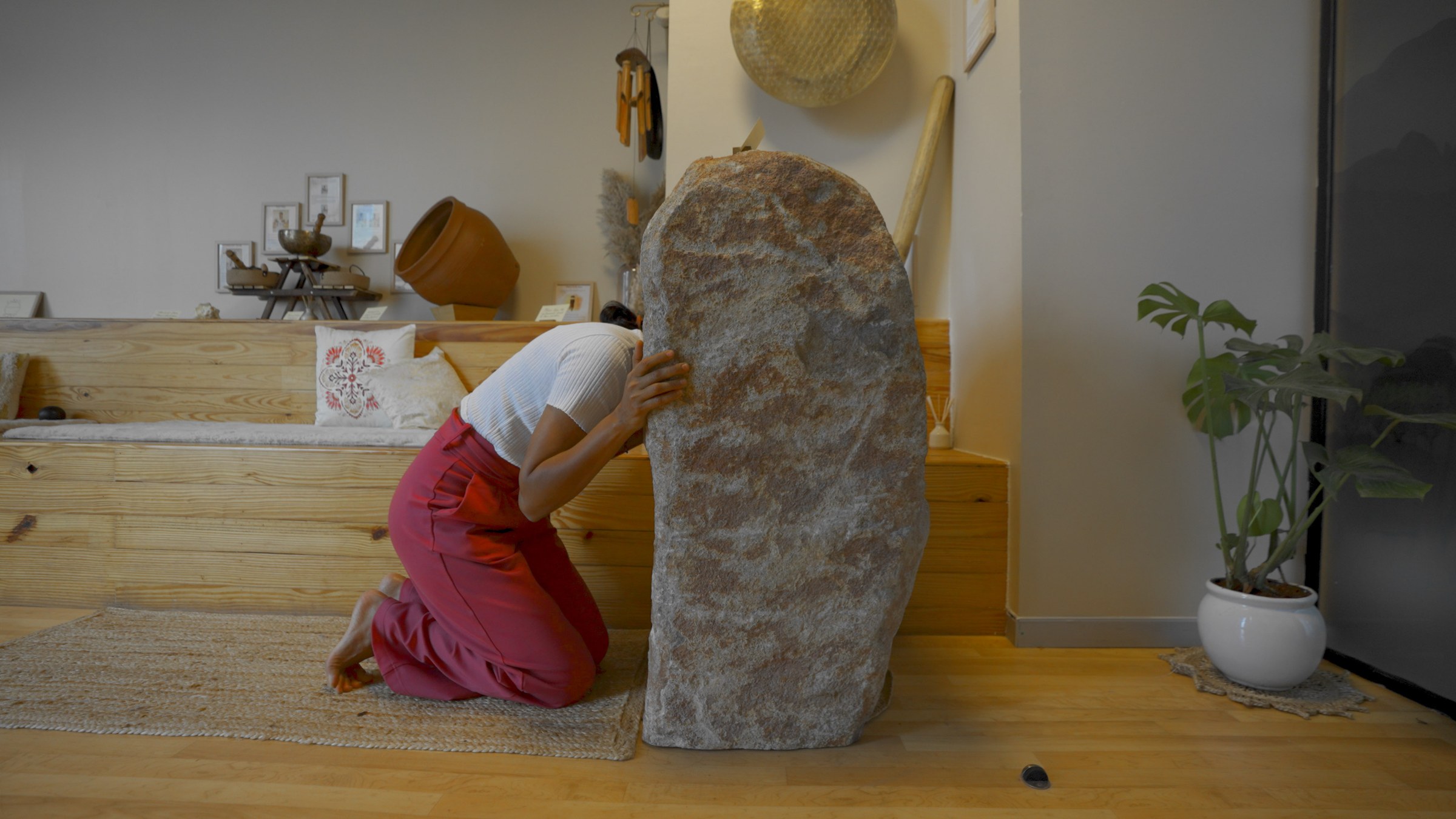
The stone corners are hand-carved, each holding a symbol, and they are placed to be touched rather than looked at. Grounding, in a Zen Garden, is a physical instruction before it is a metaphor.

Balance. Blossom. Bliss. In that order, for a reason
The order is the argument. A person arrives carrying the charge of the day, so the body is settled before anything is asked of the mind, and by the last zone nothing is asked at all.
Nobody is directed to a corner. Whatever someone reaches for on the day is the right one for them on that day, and the Zen Expert’s job is to be present rather than to route people through a sequence.

Balance, for the body
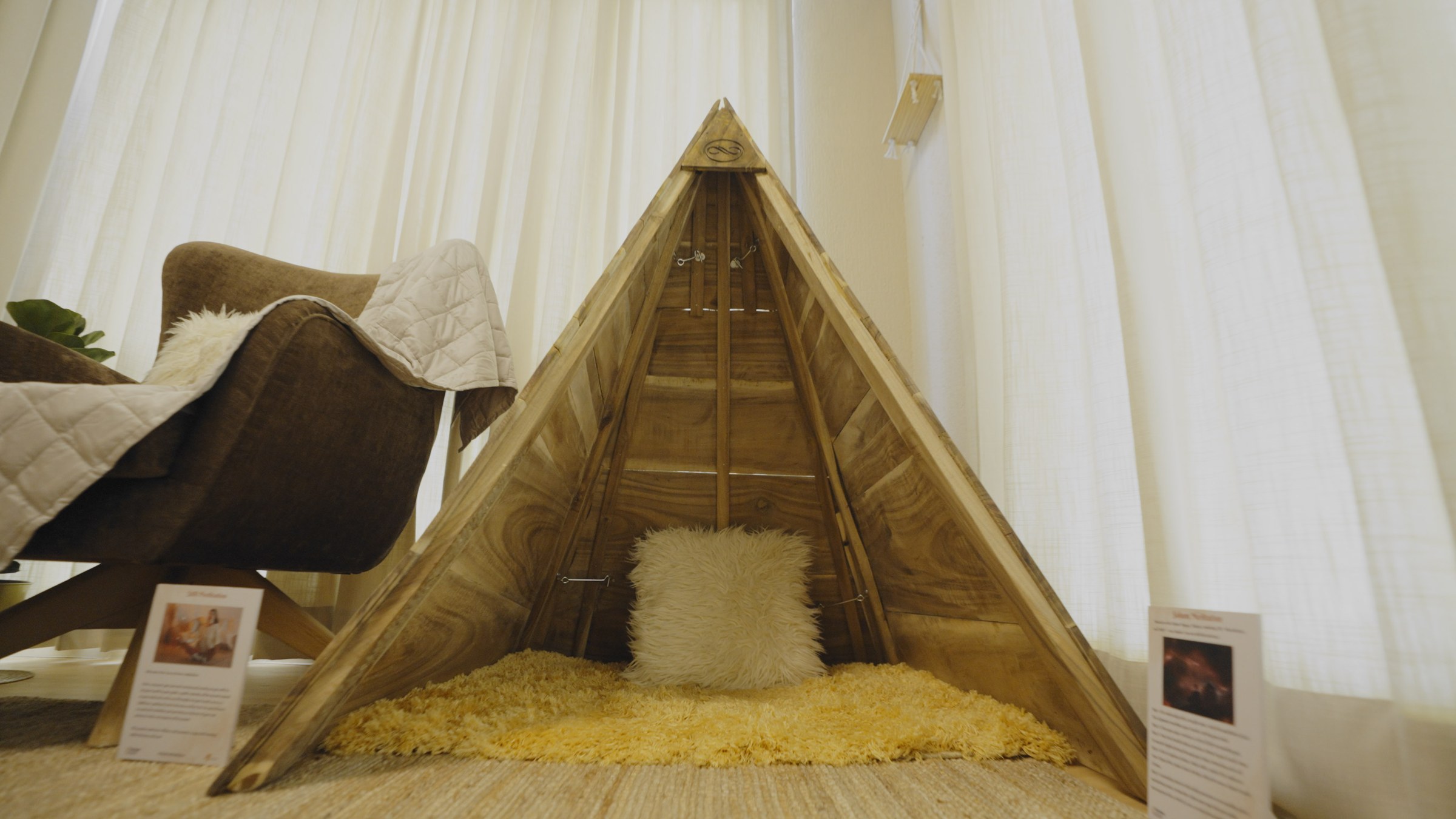
Balance sits at the entrance because a visitor often arrives straight from meetings, screens and noise. It gives them a quieter first place to land: breathwork, sound and tactile tools, with no demand to explain why they came in.
- Sound Healing Corner
- Tibetan singing bowls, gongs and chimes, tuned before they ever enter the room.
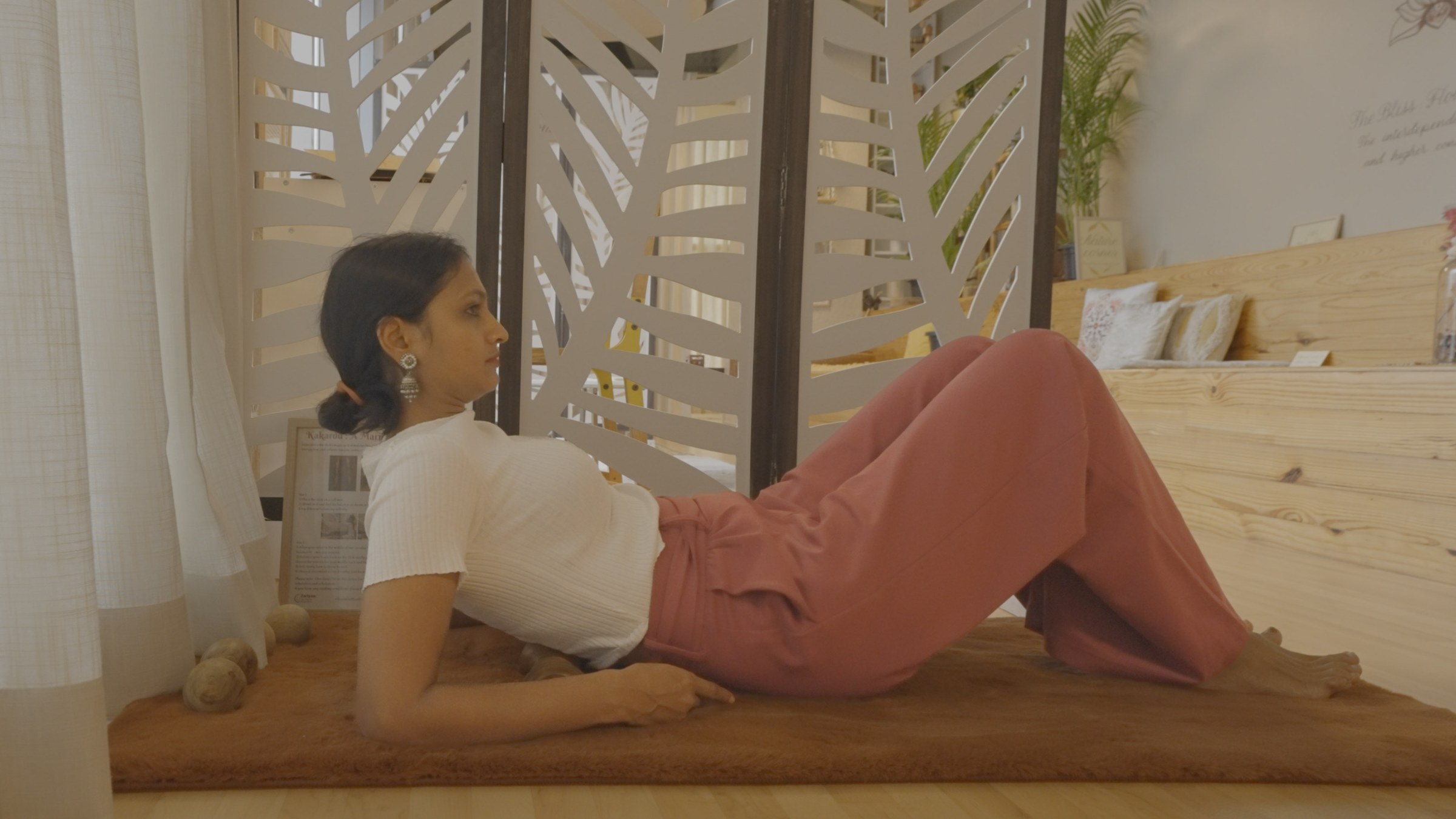
- Marma Therapy Corner
- An ancient Indian system of stimulating subtle energy points, bridging physical touch with emotional release.
- Breathwork Corner
- Pranayama-based breathing practices, offered as a simple place to begin.
- Frequency Alignment Corner
- Audio layers chosen for a slower, less busy soundscape.
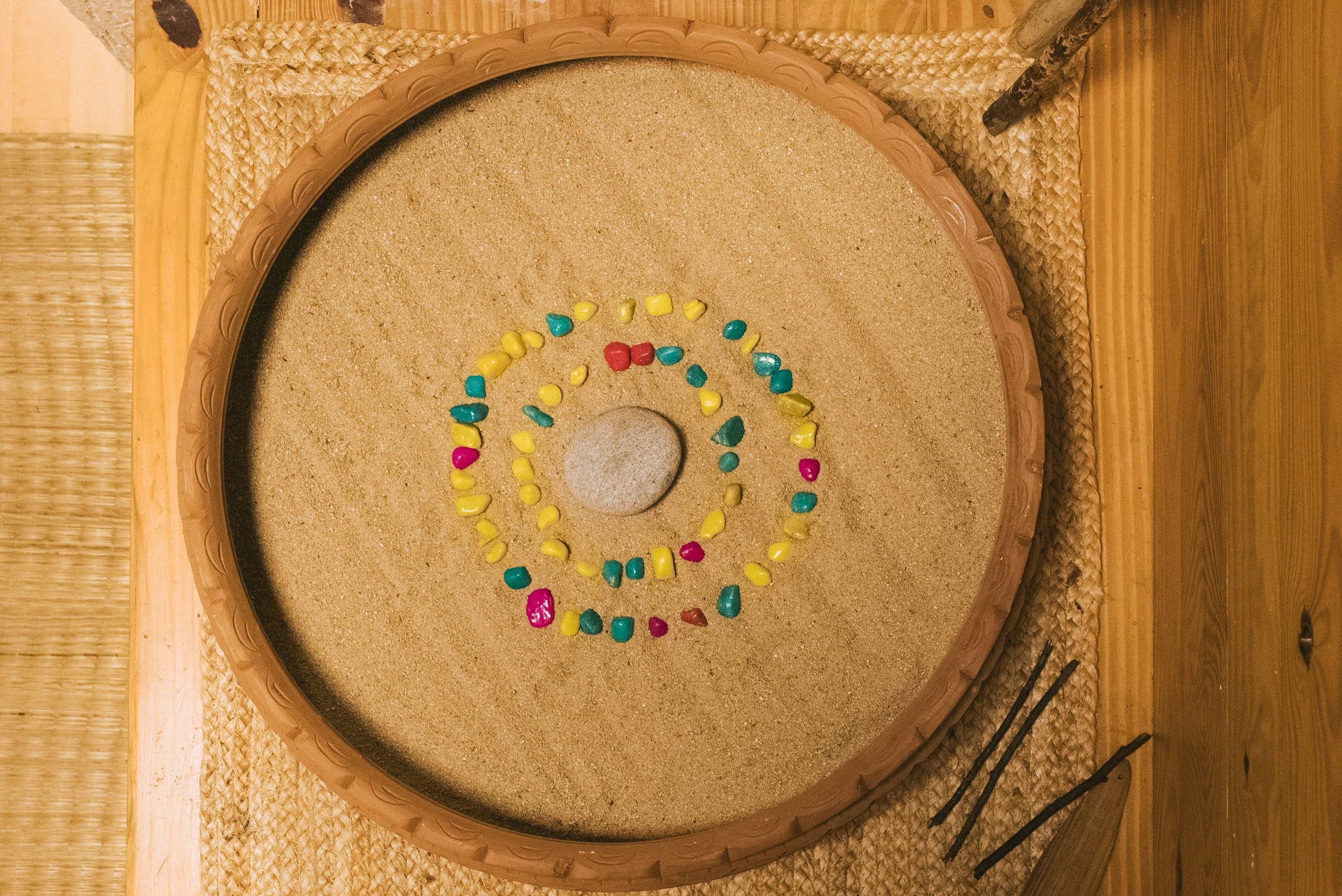
- Creative Mindfulness Corner
- Simple craft and colour work that occupies the hands so the mind can idle.
Blossom, for the heart
Blossom is a quiet, non-judgemental place to become aware of what a person is actually feeling, and to move it rather than suppress it. Emotion wheel work, journaling, mirror work and self-expression tools sit here, used one visit at a time rather than one workshop at a time.
- Self Awareness Corner
- A wooden emotion wheel and guided prompts, used to name a feeling precisely before trying to change it.
- Self Expression Corner
- Journaling and creative reflection tools, for emotion that needs to move through the hand before it can be spoken.
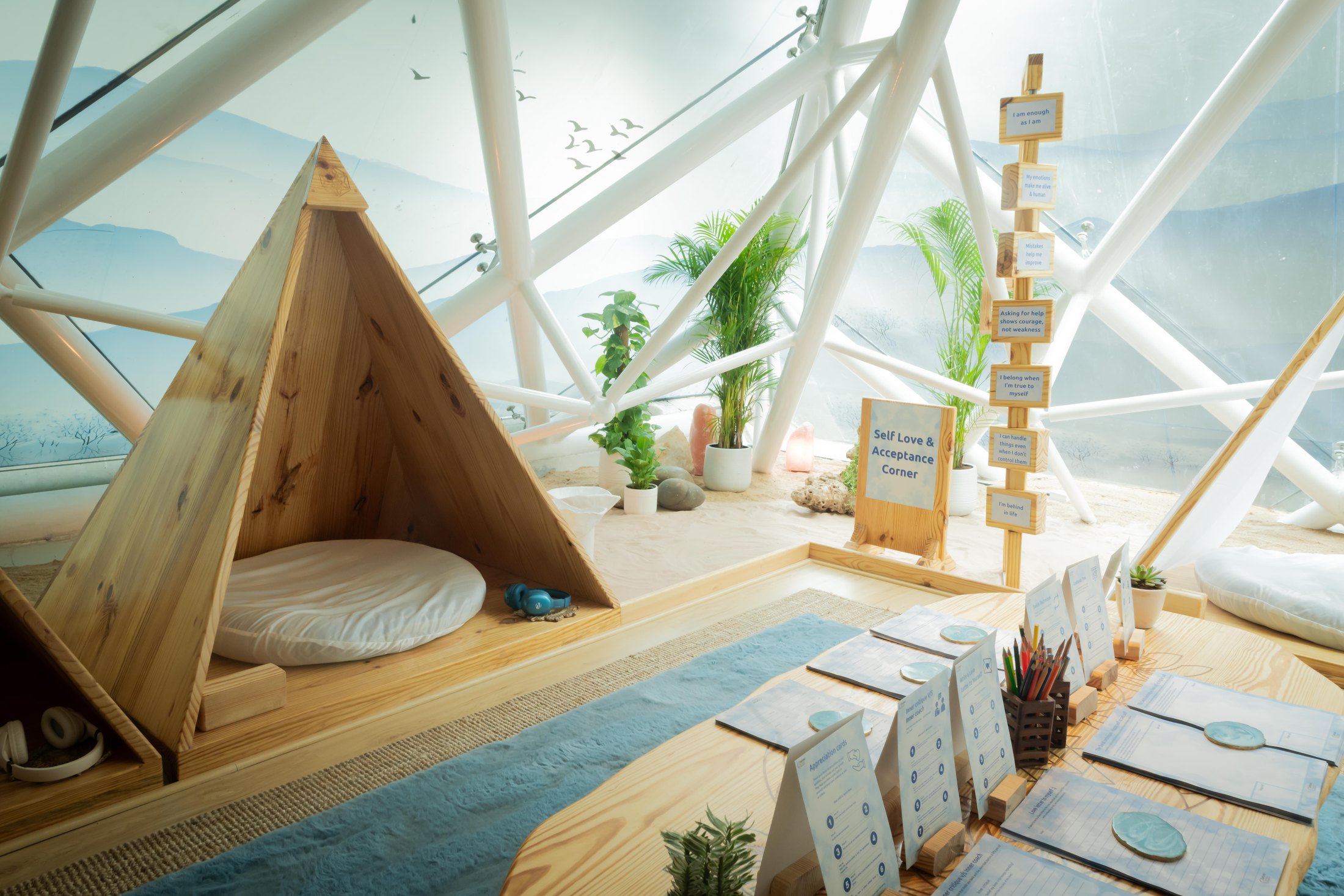
- Self Love and Acceptance Corner
- Mirror work and affirmation practice. On the Zen Expert’s account, the corner people approach last and return to.
Nothing mystical is claimed for that last corner. It is a quiet place to name a thing accurately.
Bliss, for stillness
Bliss is the last zone: energy alignment, grounding, stillness. No prompts. No guidance. No activity required. It is the hardest zone to use at first, precisely because it asks for nothing, and an office day trains people out of being asked for nothing.
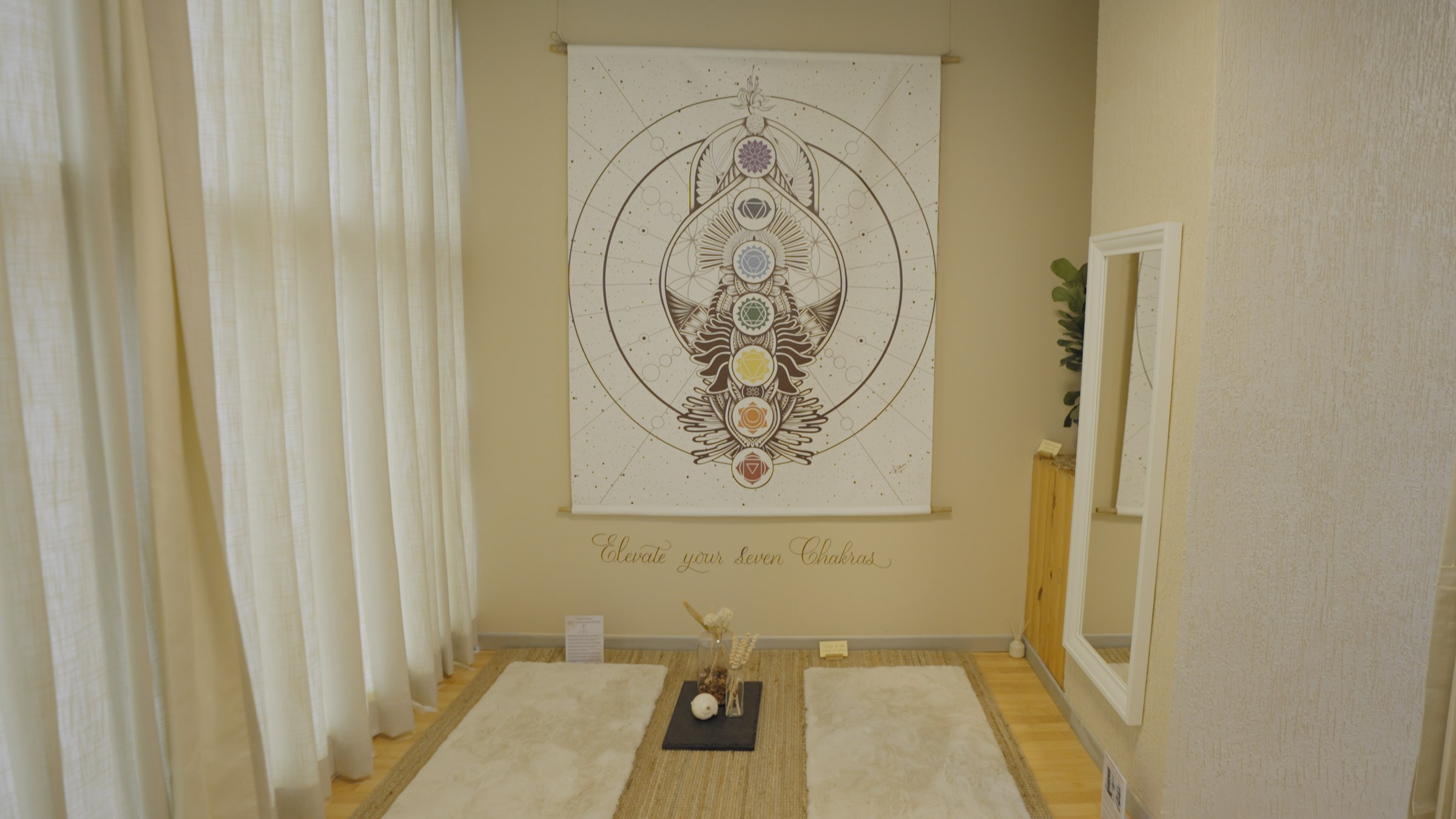
- 7 Chakra Corner
- Chakra tools and colour-mapped objects, used for visualisation and energy alignment practice.
- Nature Corner
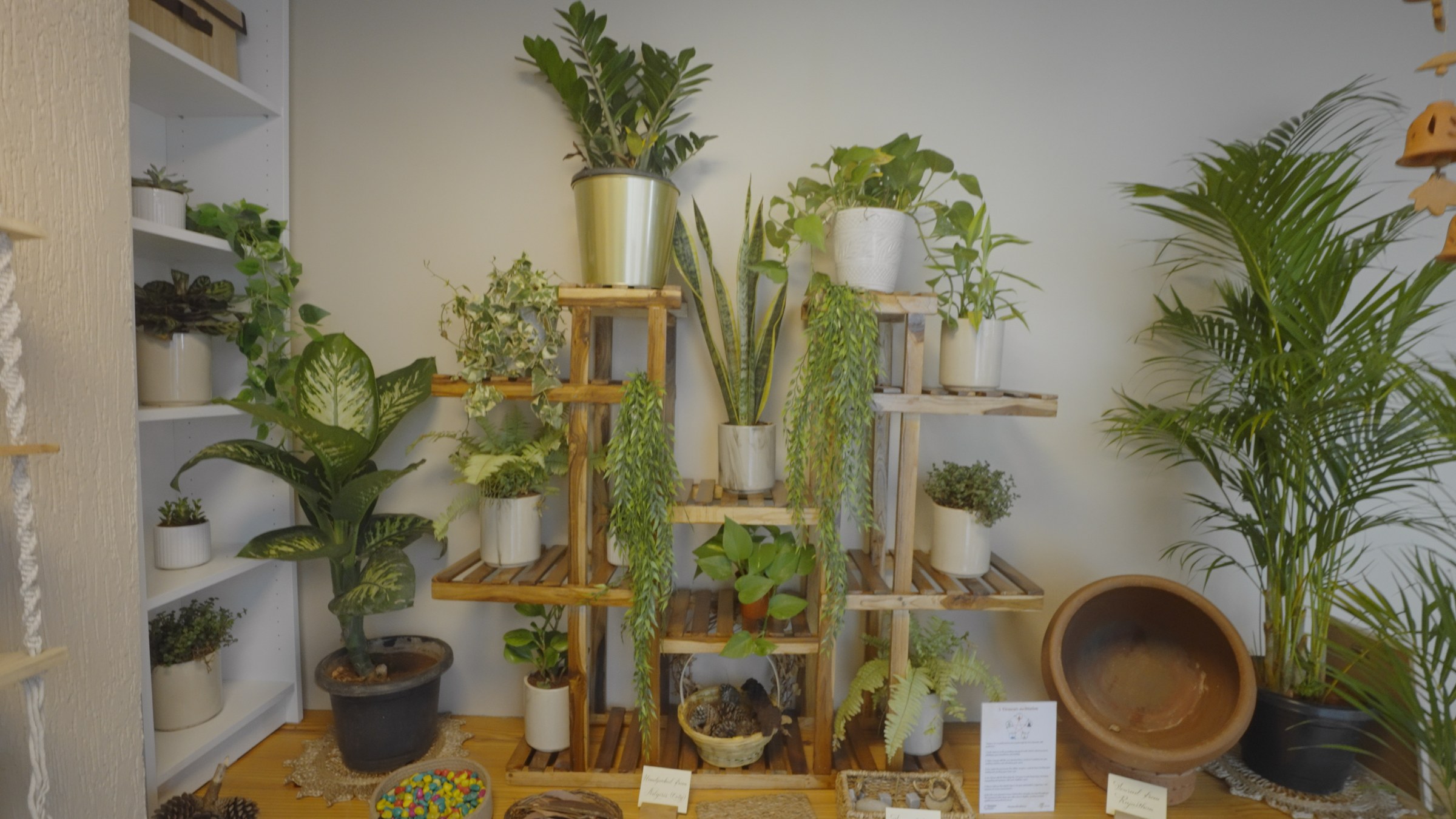
- Live plants and natural texture, a Shinrin-Yoku inspired pocket of forest bathing indoors.
- Manifestation Corner
- Guided visualisation, for intention-setting beyond the workday’s immediate demands.
- Grounding Corner
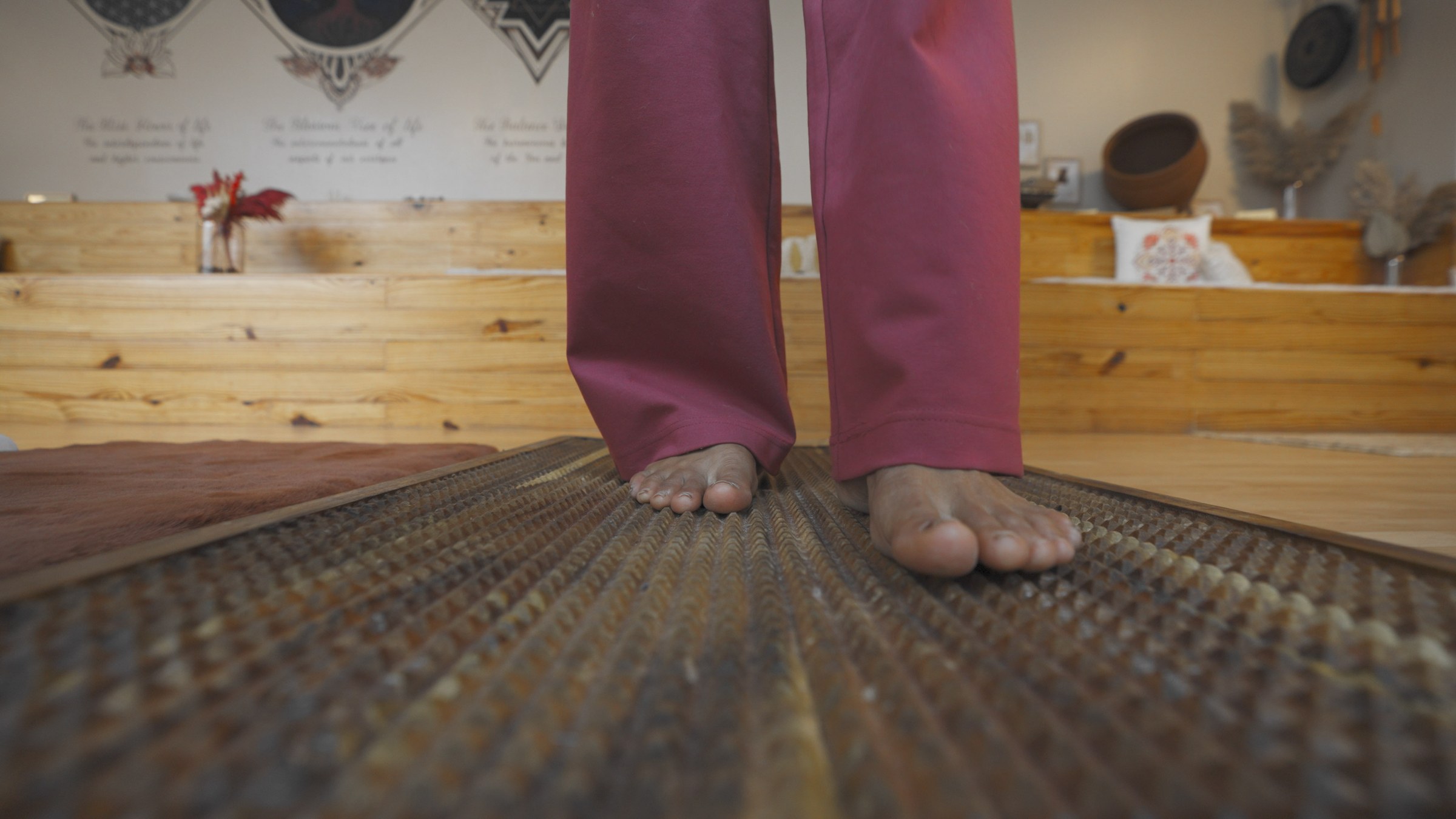
- A textured walking path, engaging the soles of the feet directly. The most literal interpretation of grounding in the entire room.
- Energising Pyramids Corner
- Copper pyramid forms, placed for their geometry as much as their material.
The room is not enough on its own
A well-designed room still needs care. Without someone responsible for it, a quiet space can become a lounge or storage. The work is in keeping it ready and making the first visit feel easy.
A Zariyaa Zen Expert is in the room every working day. They welcome visitors, maintain the experience and offer a simple starting point when it is wanted.
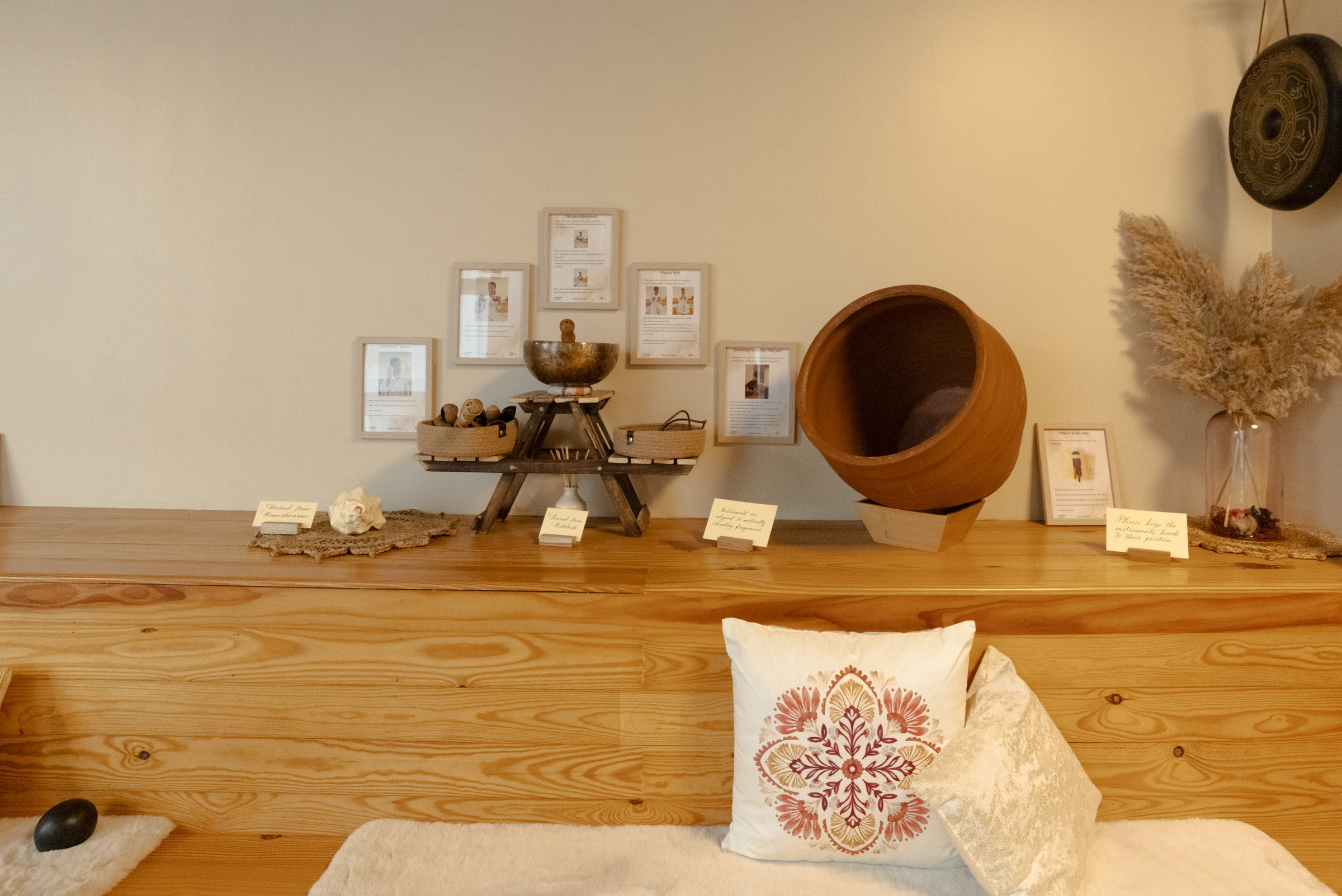
What qualifies her, and what we cannot answer on a page
Every Zen Expert completes Zariyaa’s internal Zen Training Programme, including supervised practice, before facilitating independently.
A CHRO will then ask what happens if somebody in the room is in real difficulty, and where liability sits. That answer belongs in a contract with your name on it rather than in a magazine, and we would rather you held us to the contract.
They trained for this. And they answer to us, never to your HR
What is different here is the room, not the person. Zen Garden is a preventive and supportive wellbeing programme, not clinical treatment. Nobody is assessed, diagnosed or treated in it. Responsibility for clinical care remains with qualified healthcare professionals, and the Zen Expert is trained to recognise when someone needs more than the room can offer and to refer them on.
The second difference is the reporting line, and it is the one that decides whether anybody walks in at all. The Zen Expert reports to Zariyaa. A visit log with a name is kept in the room and it stays with us. Your employer receives counts by zone, and nothing that identifies a person.
If a client asks us to flag struggling employees, the answer is no. That refusal is in the contract rather than in a paragraph like this one, which is where a refusal has to live to be worth anything.
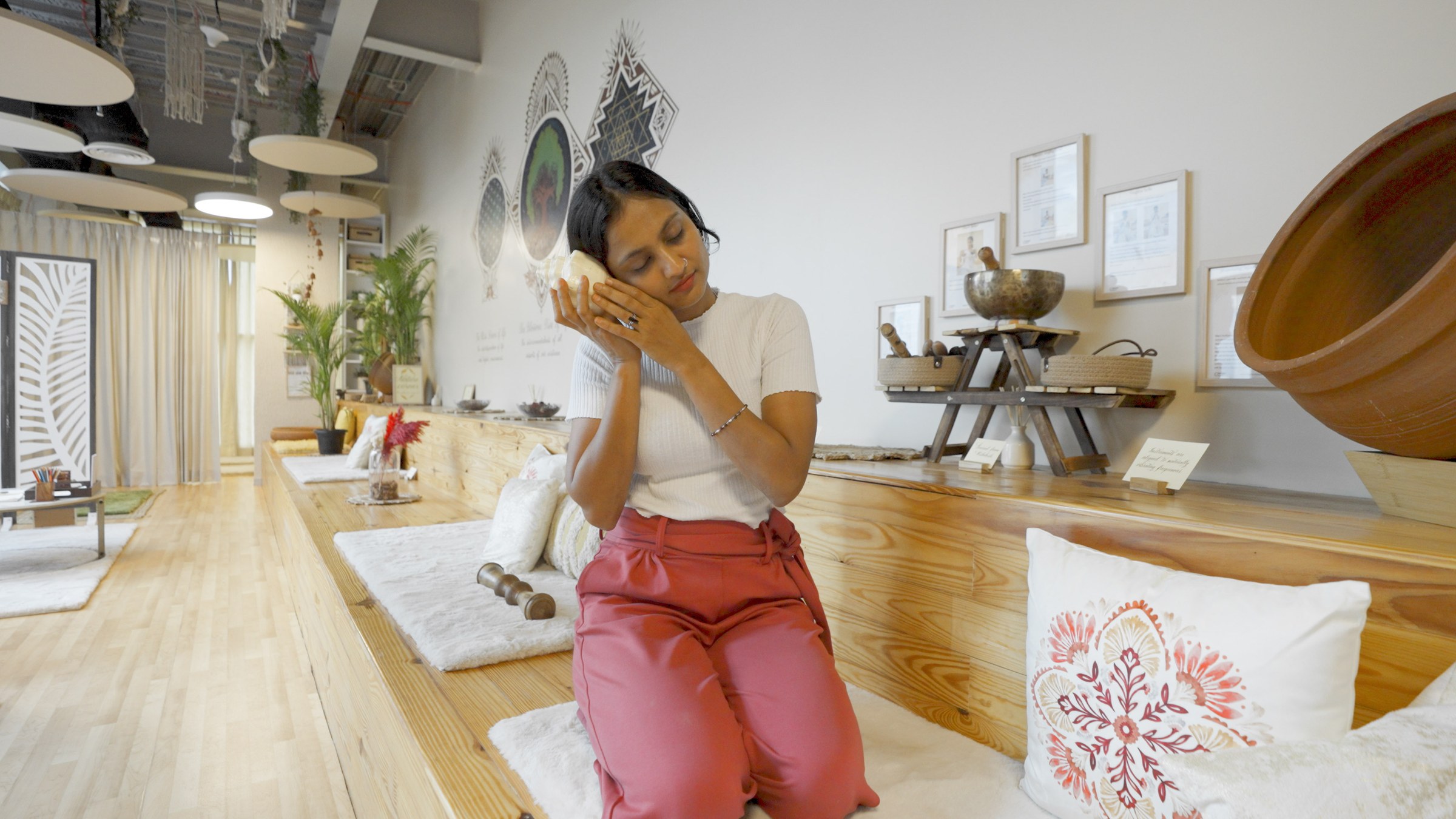
A person keeps the count. Your employer never learns who
Wellbeing is hard to measure. That is true, and it has been treated across this industry as a licence to measure nothing.
Every visit inside a Zen Garden is written down by the resident Zen Expert at the time of the visit: which zone, how long, and whether this is a first visit or a return. There is no login, no badge scan and no camera anywhere in the path. Nothing here is generated by a system. Capture varies by room and by person, so this is a record kept by hand rather than a uniform log, and it is worth saying so plainly.
The Zen Expert also asks for a name and a contact number and writes them down. That log stays in the room and stays with Zariyaa, and what the client receives is the count. The name is what makes a first visit distinguishable from a return at all, so we would rather set the mechanism out than leave a hole where the explanation should be.
| What is written down | What it can tell you |
|---|---|
| Weekly visits | Whether use is growing or falling off |
| Zone preference | Which part of the room the floor actually reaches for |
| Session length | Whether visitors settle in or pass through |
| Return rate | Of first-time visitors to a permanent room, the share who come back inside the same week. Permanent rooms only, because a two-day trial has no second week in it |
There is no fifth row. Nothing recorded here identifies a visitor to their employer, and no visit in anything an employer is sent is attributed to a named person, a team or a floor. When a client’s legal team asks for that attribution, the answer is still no.
Weekly visits on one Flipkart Bengaluru floor, from week one to month three. The record is specific to that floor and its window.
The figure that does not exist
There is no retention percentage in this volume, and there is not one in our sales material either, because we do not have a retention number that is a log rather than a guess. A CHRO who asks us for one will be told exactly that, in the meeting, before they have to work it out for themselves. This paragraph is worth more to us than the number would be.
One floor. One usage record. Then this
One floor at Flipkart Bengaluru. The record below is published with its floor and time window, because that is the only way to read it honestly.
| Week 1 | 47 recorded visits on that floor |
| Month 3 | 184 recorded visits a week on that floor |
| Source | Zone-level visit counts kept in the room. No survey, no estimate, and no visit attributed to a person in anything Flipkart received |
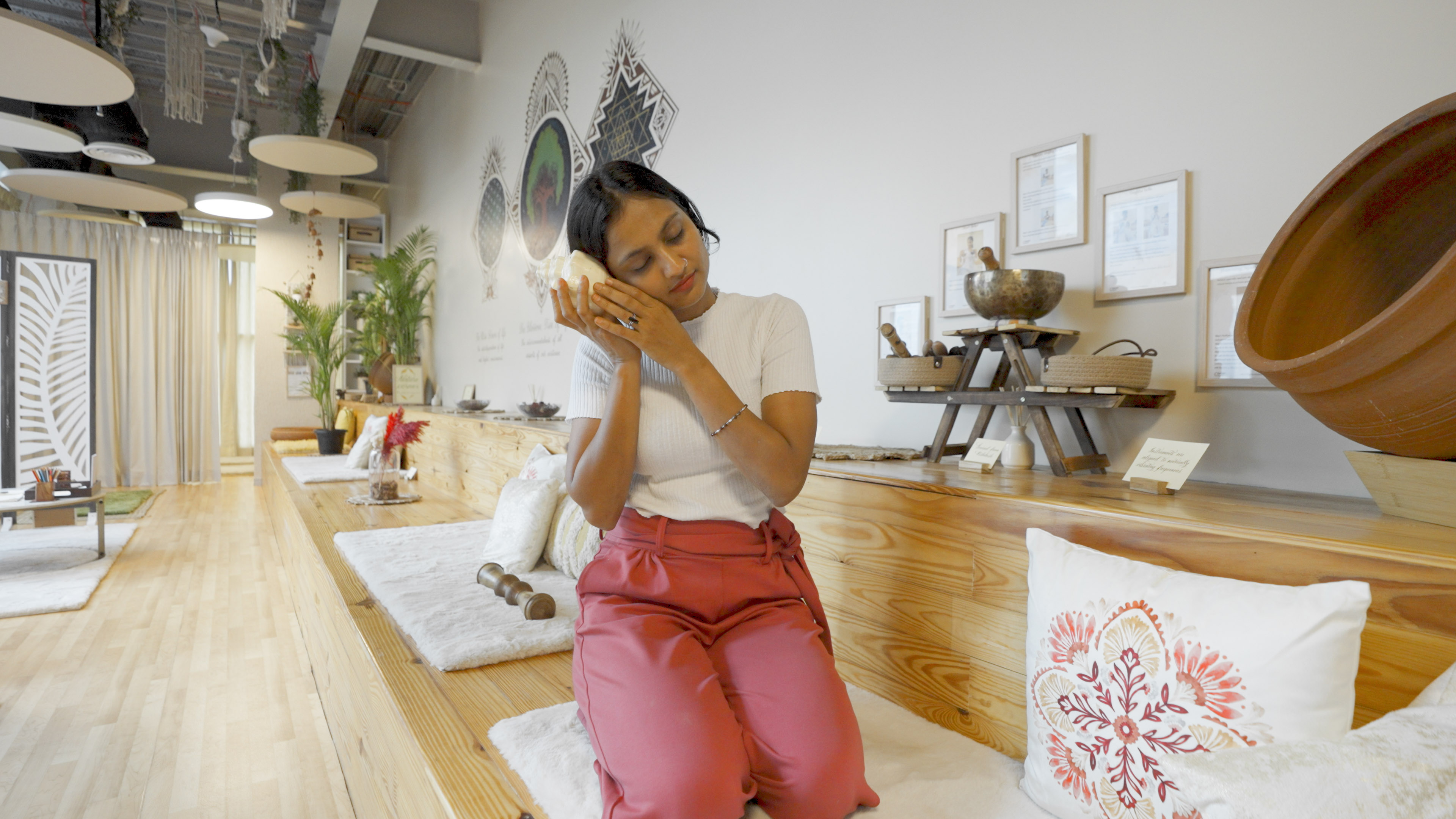
A temporary room, used to learn before building
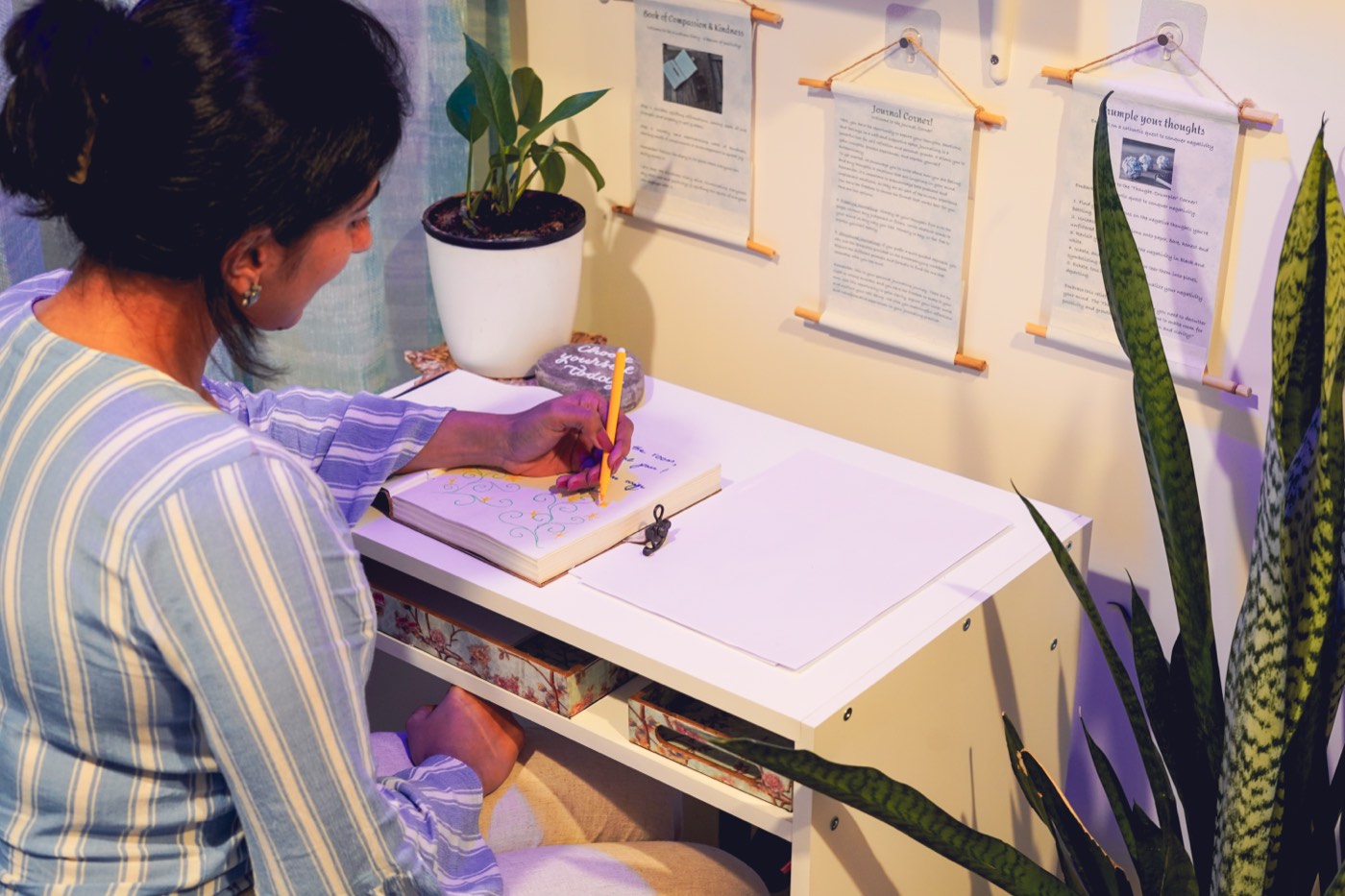
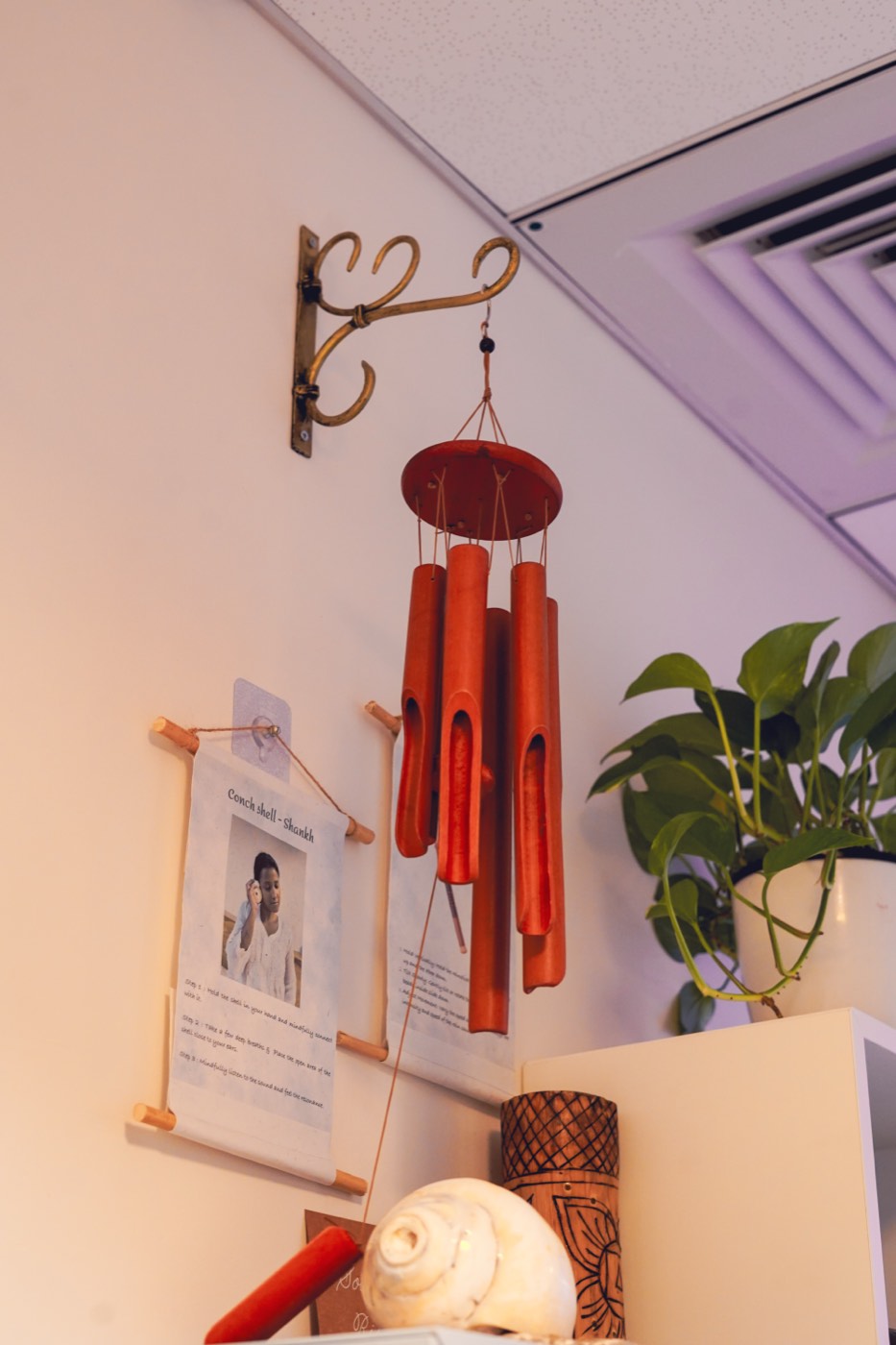
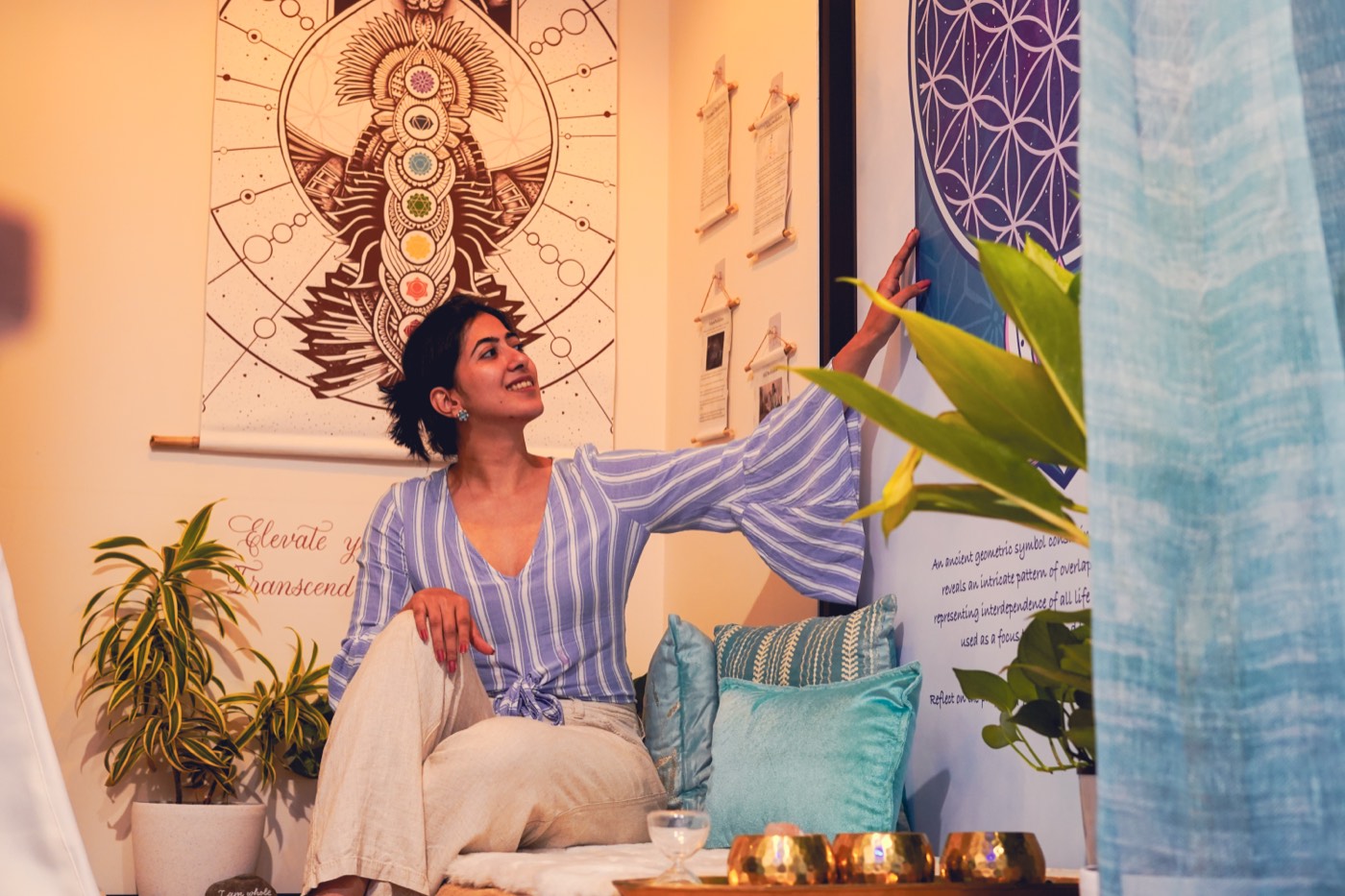
A temporary Zen Garden at Manhattan Associates.
Before a larger commitment, a temporary Zen Garden can help a workplace see the room in use and decide which questions matter on its own floor.
A trial is a decision window, not a forecast
Any finding from a temporary room belongs to its place, people and period. It should not be used to promise an outcome somewhere else.
Read a trial for what it is. Two days in a converted room is a novelty window, and any number out of one runs hot, including ours. The trial’s job is to hand you your own figure, not to be our best one.
Three of them. That is the whole transcript
Left in the room by people who were not asked for them. Nothing has been edited, and nothing has been attributed to anyone.
Zen Garden is my escape at the office. Every time I step in, it is like hitting the reset button on my mind. A visitor, in the gratitude book
I walk in stressed and walk out smiling. It has changed how I approach challenges. A visitor, in the gratitude book
A tough day at work, and just a few minutes here turned it around. My secret place to zen out. A visitor, in the gratitude book
Three is the number, and we are printing it rather than padding it
Those are the visitor comments we hold as cleared text as this volume goes to press. The Zen Experts collect them in the book left open by the door. Nobody is asked to write one, nobody is prompted, and nobody is offered anything for it. A comment written to order tells you nothing, so we do not order any.
What follows is the book itself, which has more in it than three. Those are reproduced as photographs rather than retyped, because a card that stays a photograph cannot be quietly improved on its way to the page.
The transcript will grow. The rooms keep running and the book stays open. Until then this is the file, and it is short. We would rather print three true ones than thirty written by us.
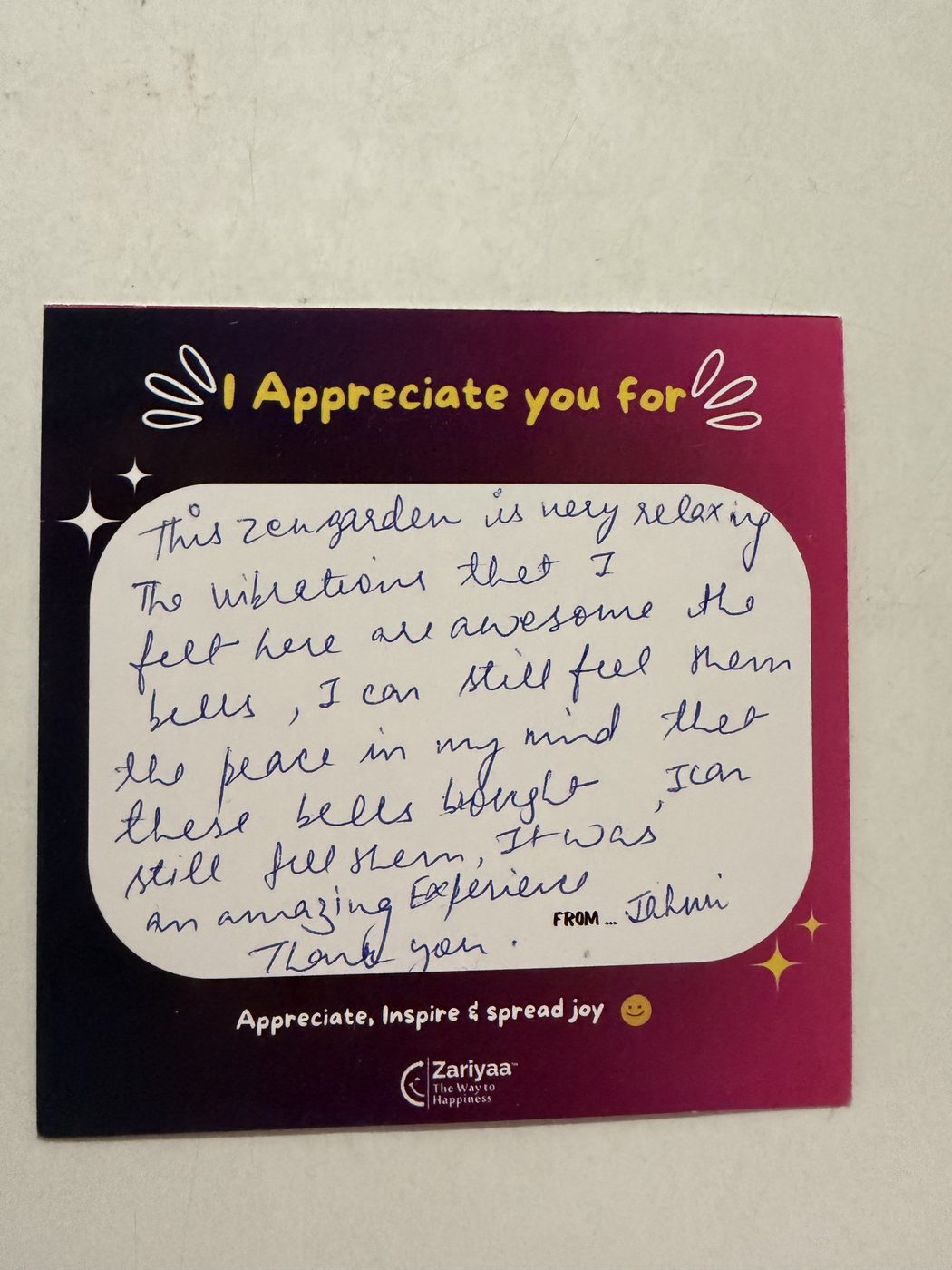
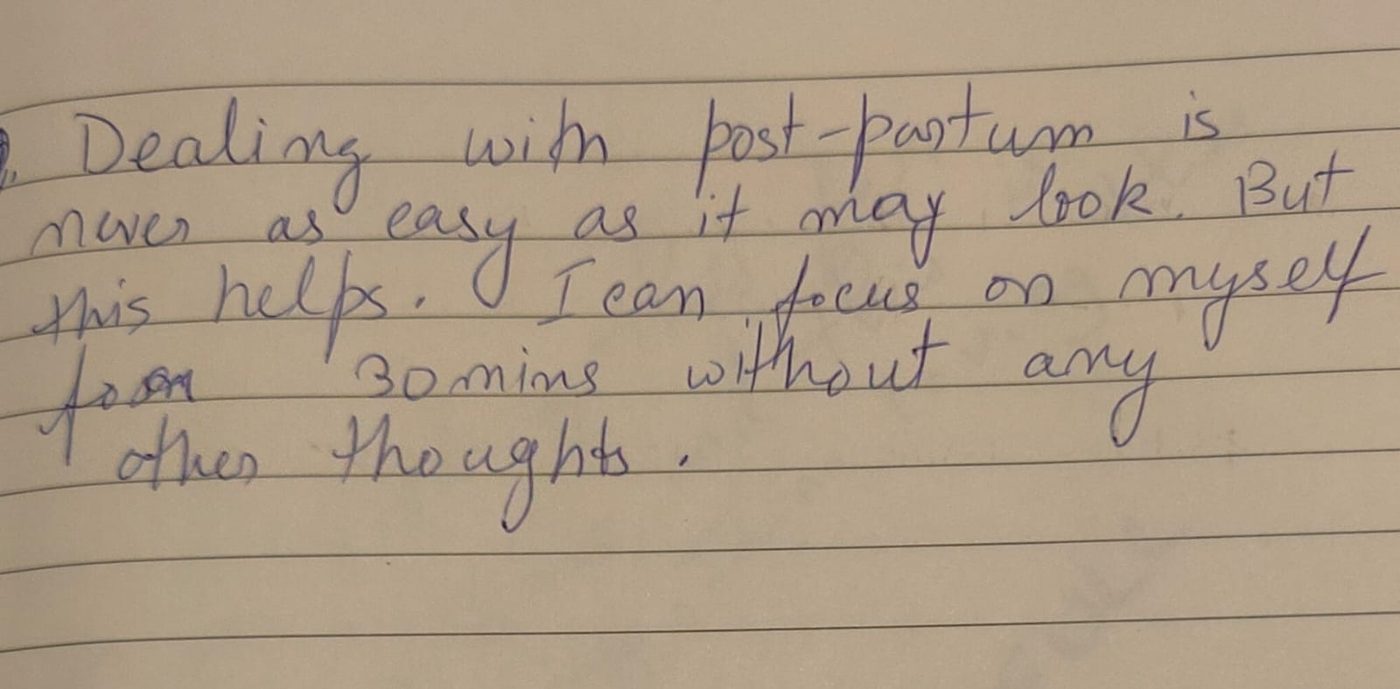
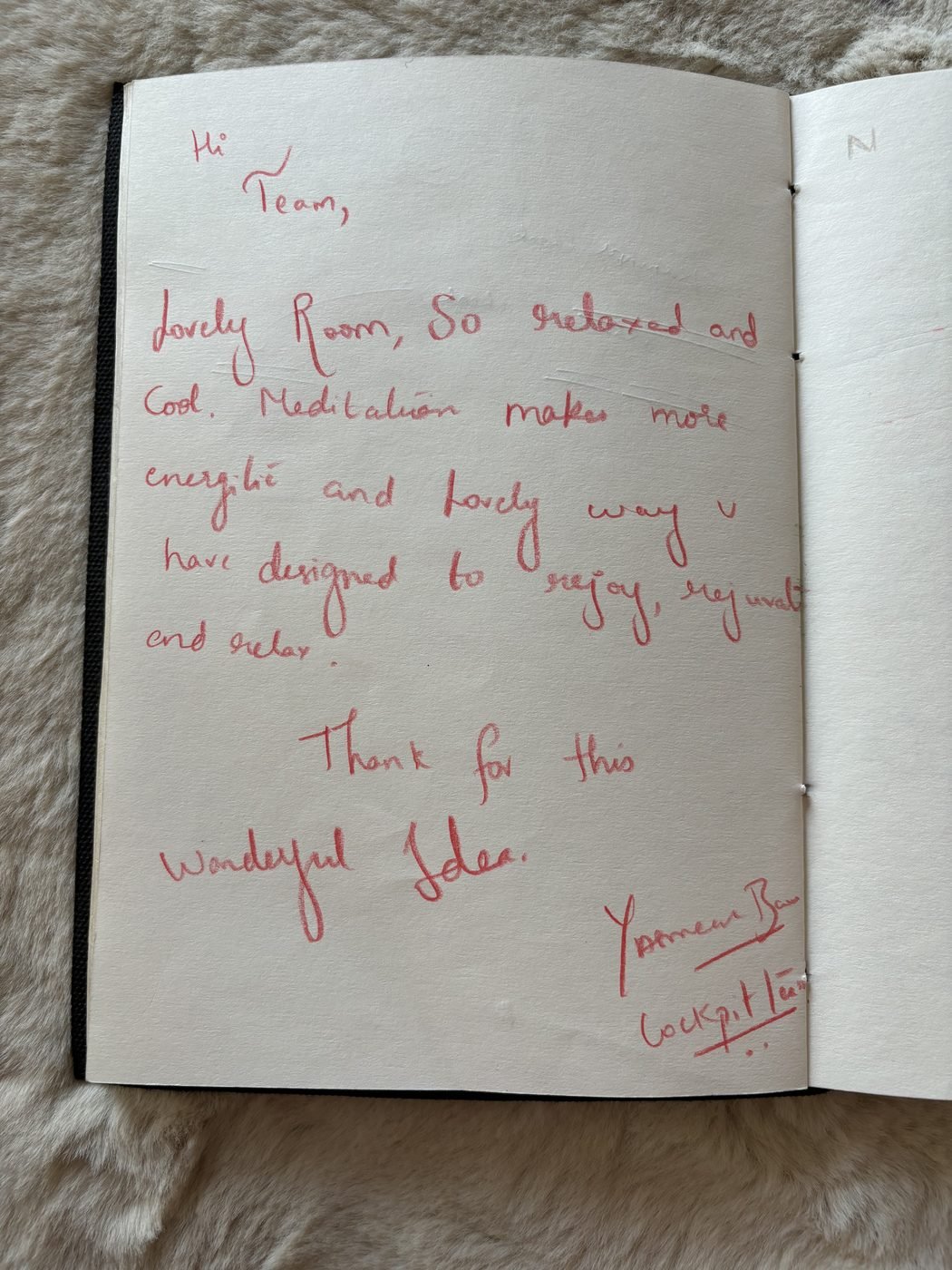
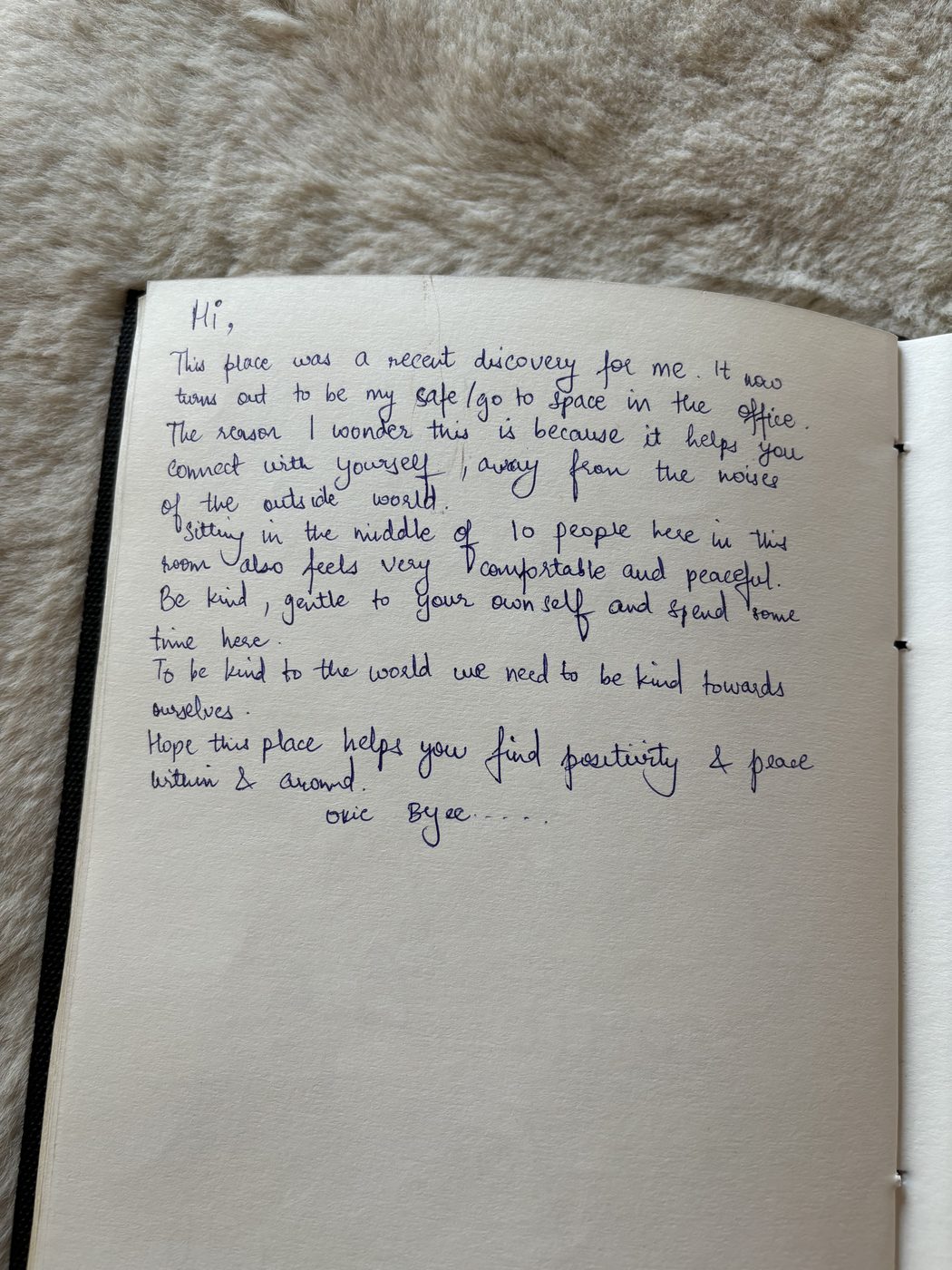
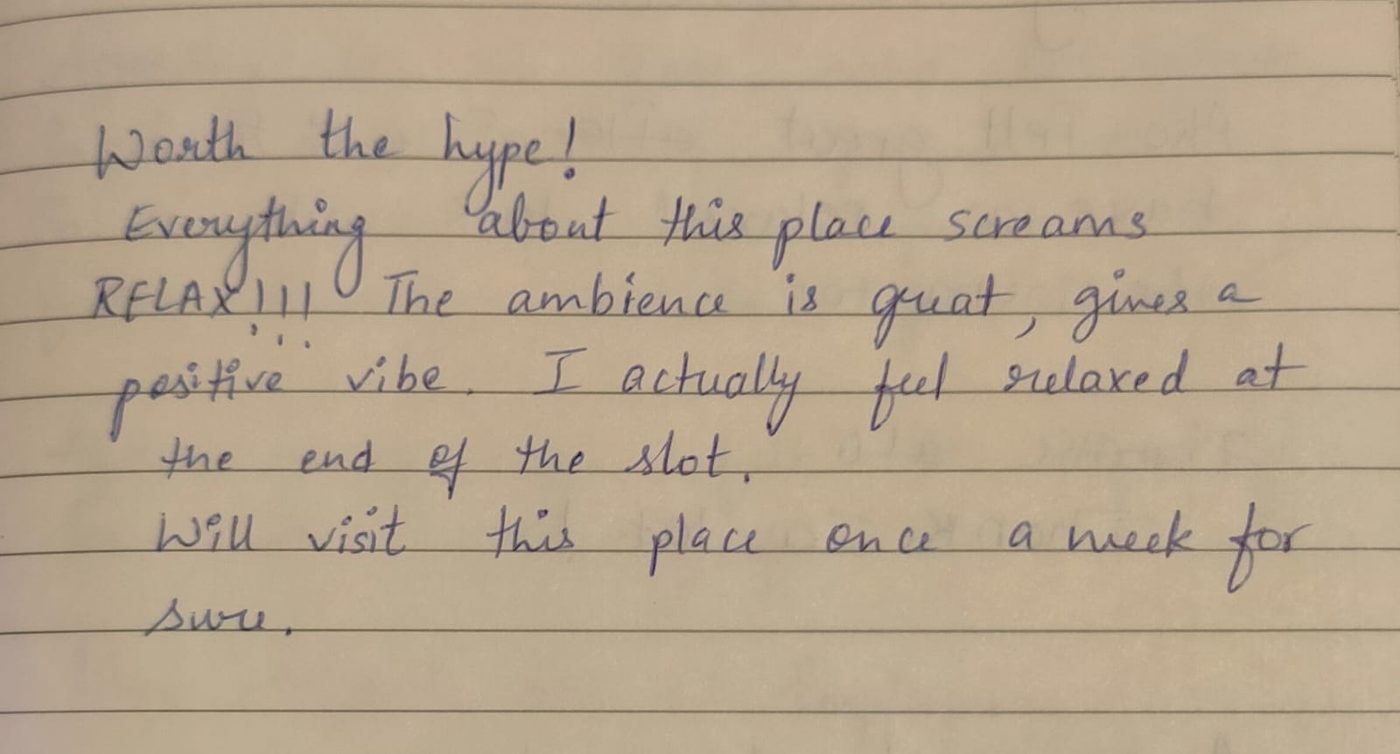
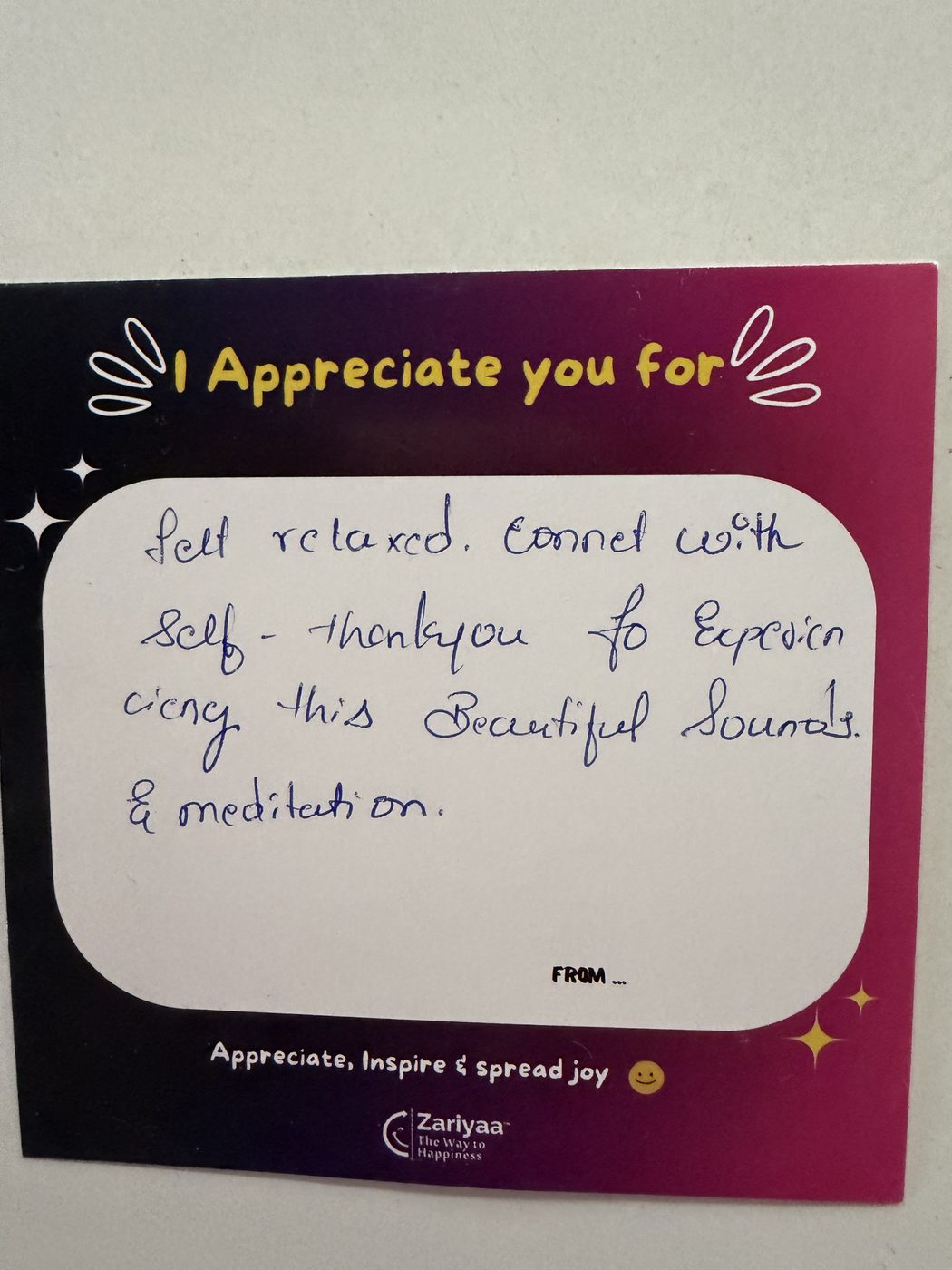
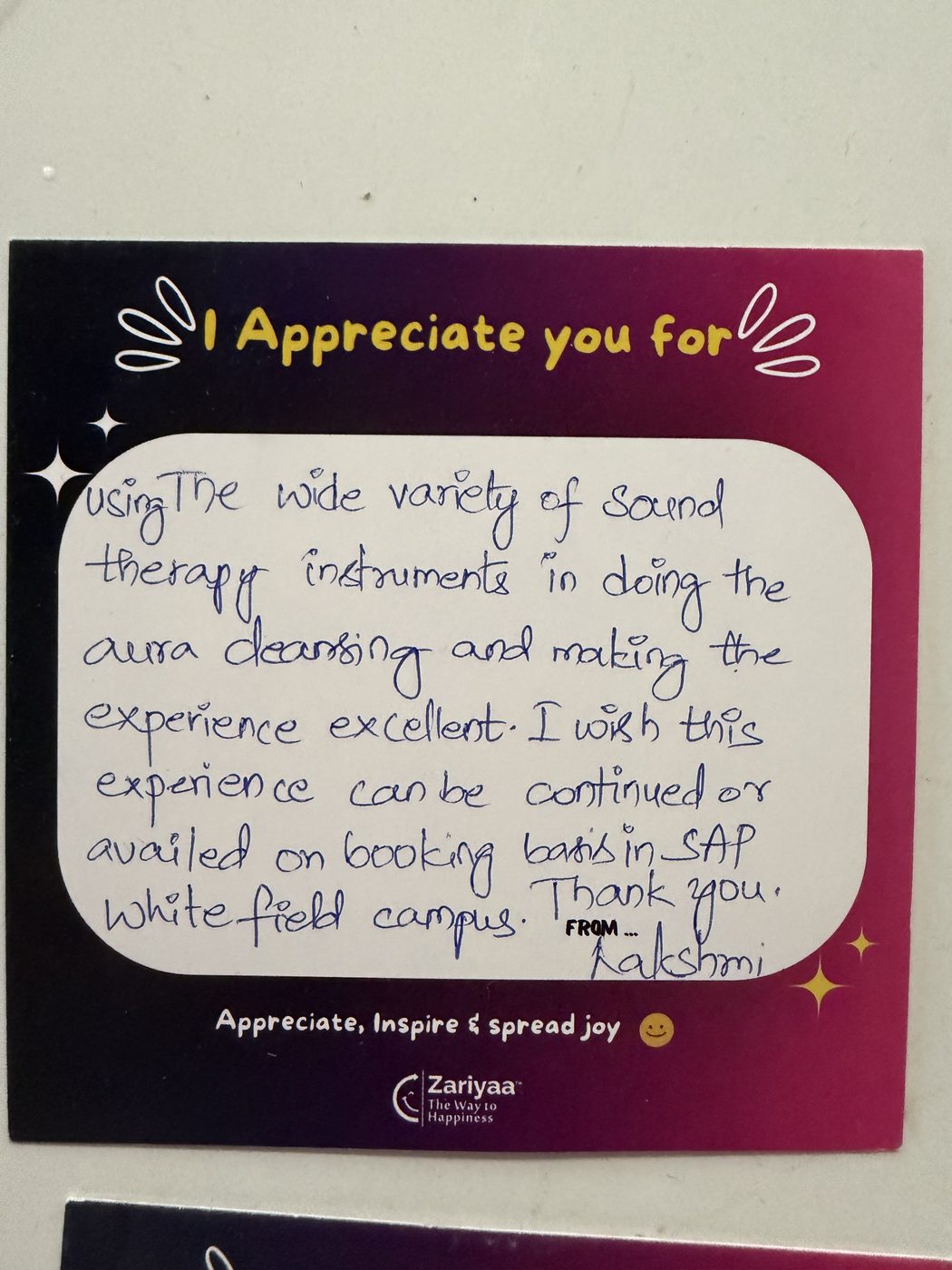
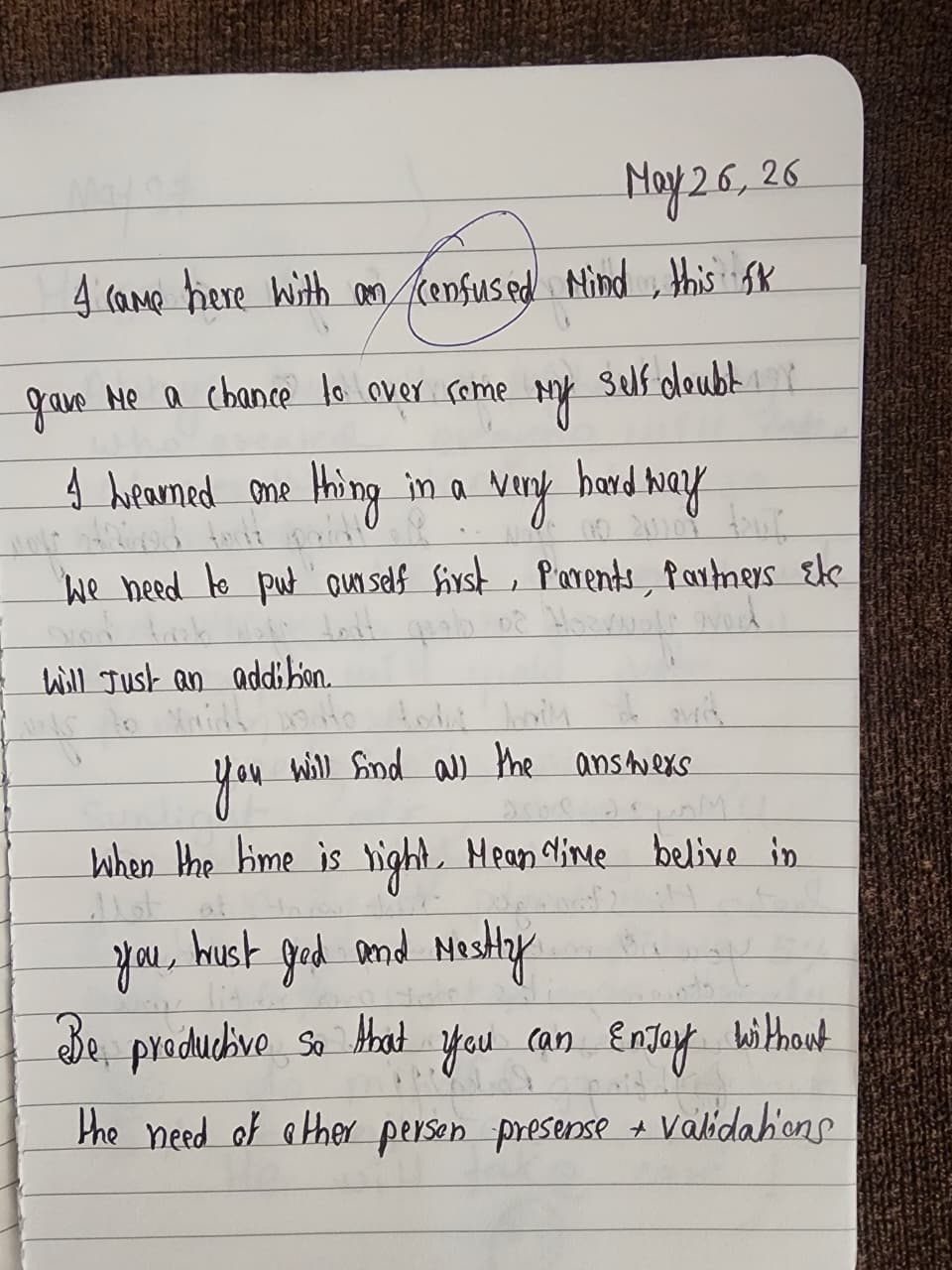
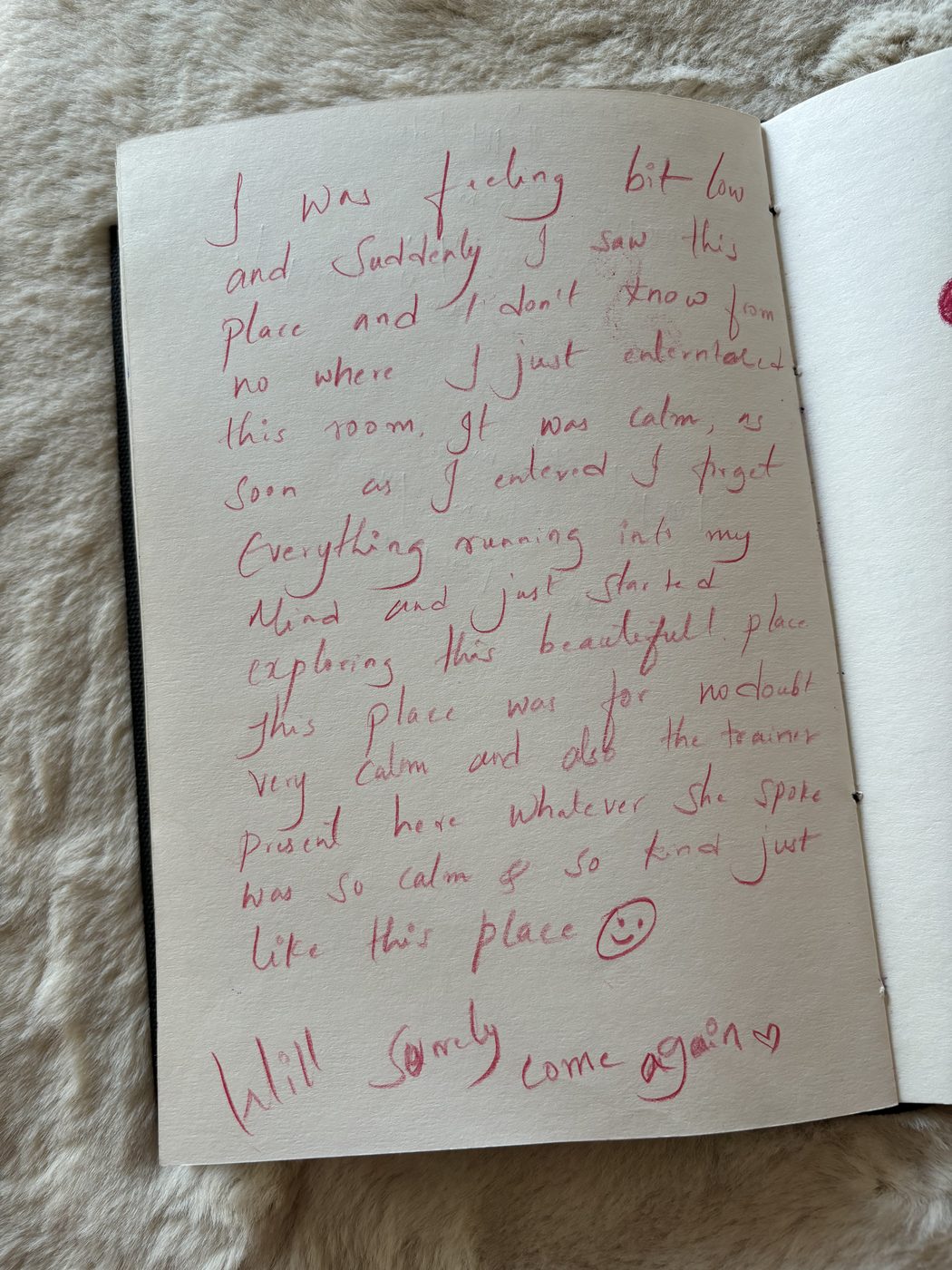
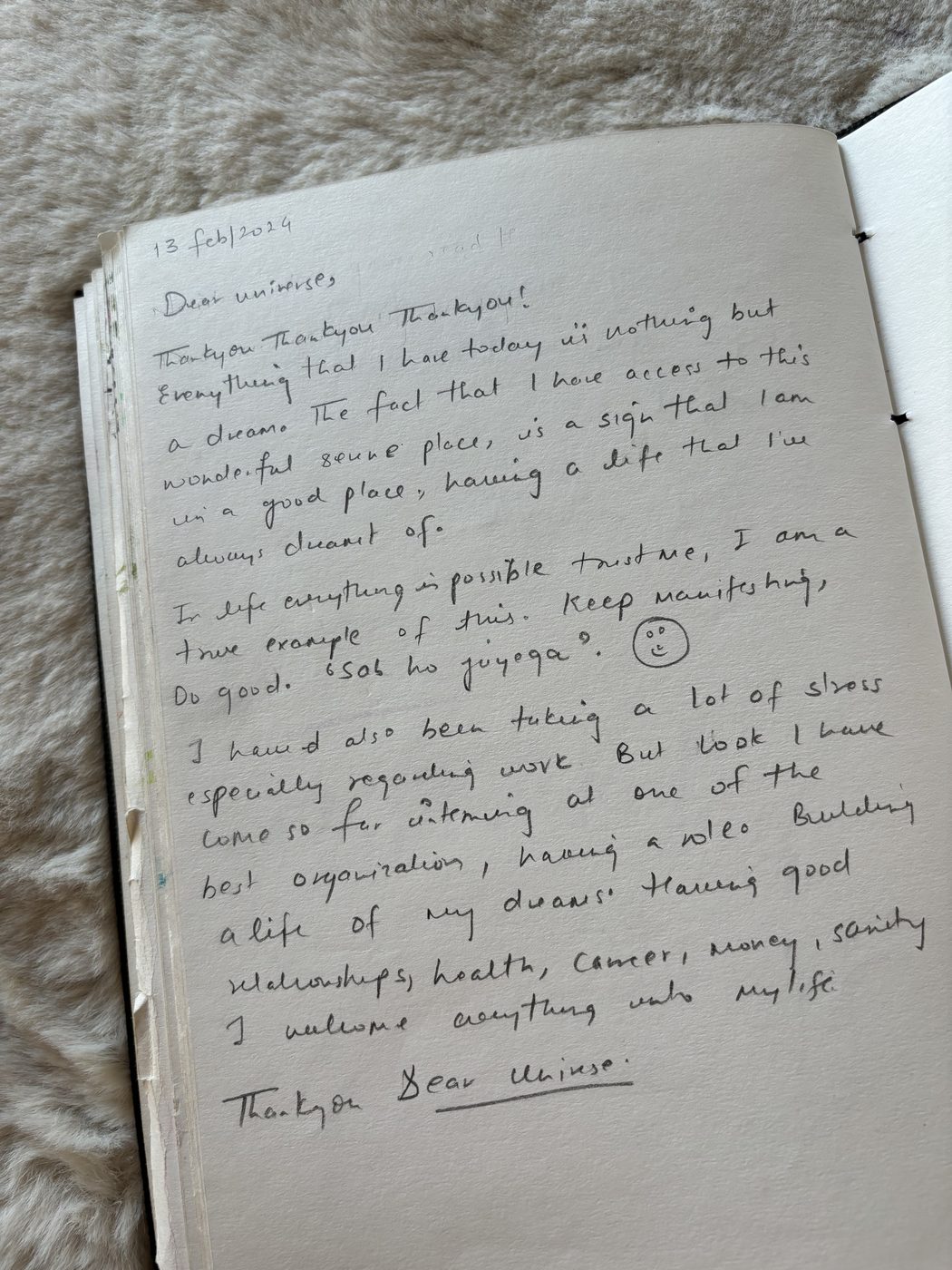
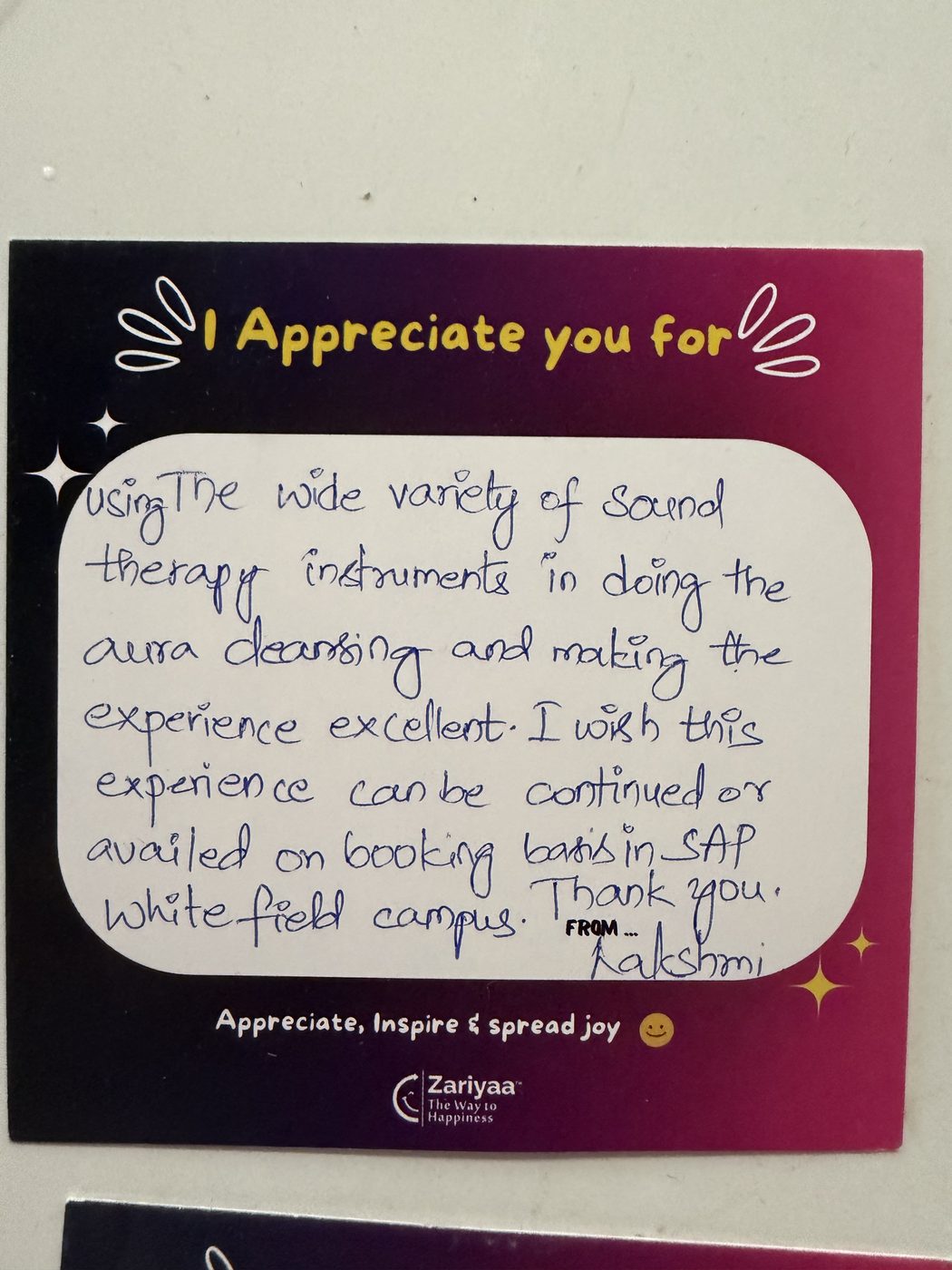
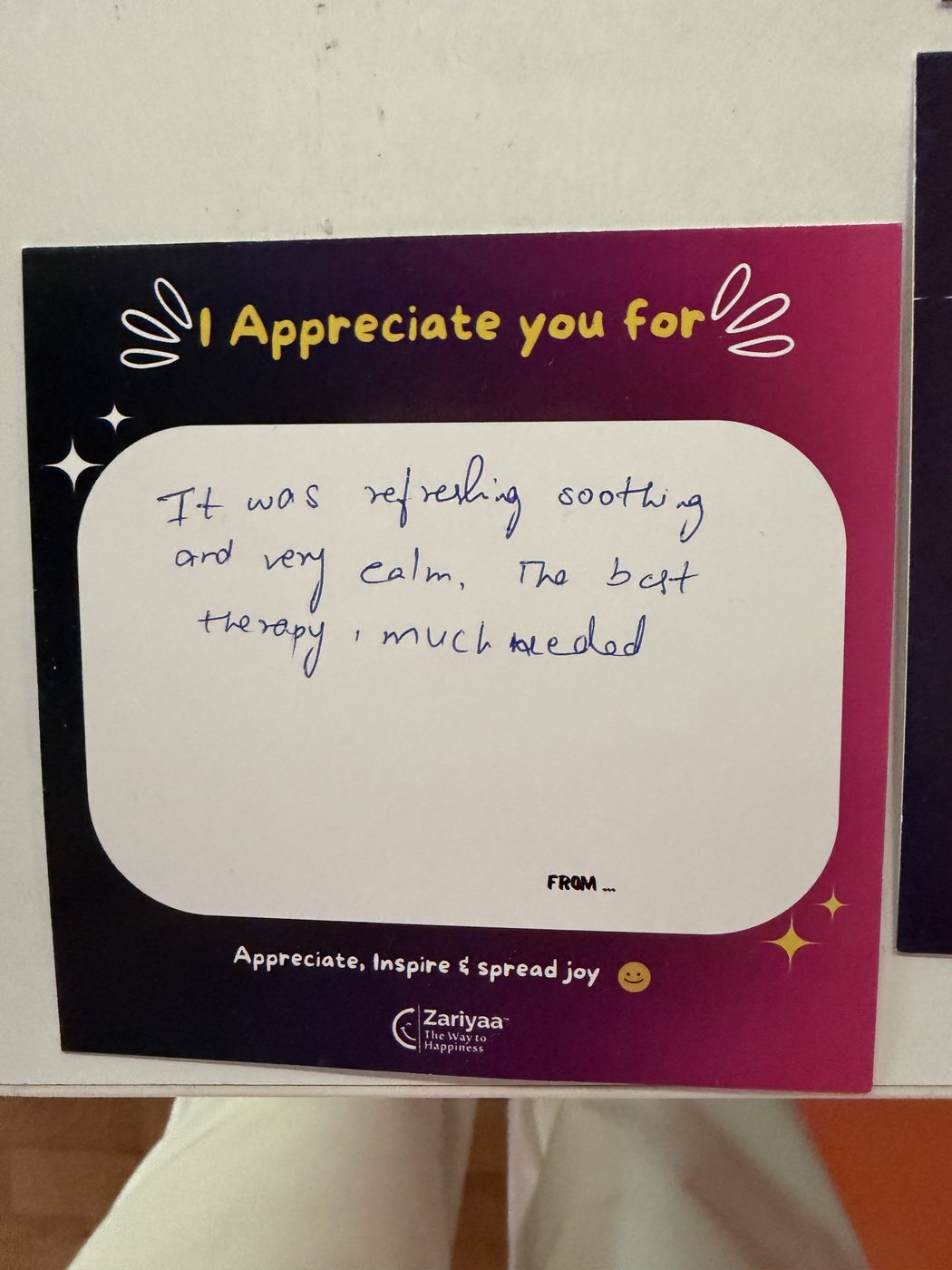
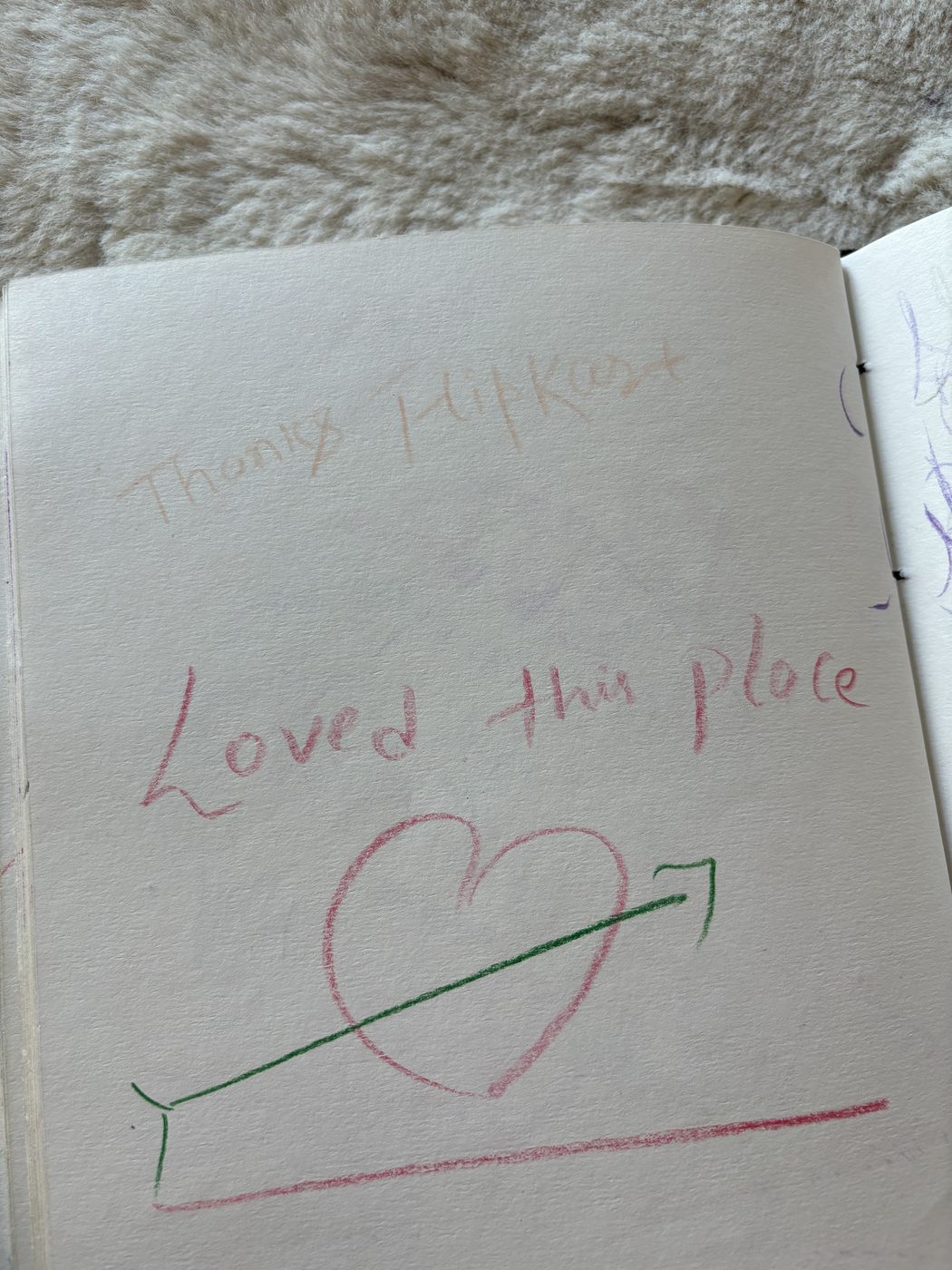
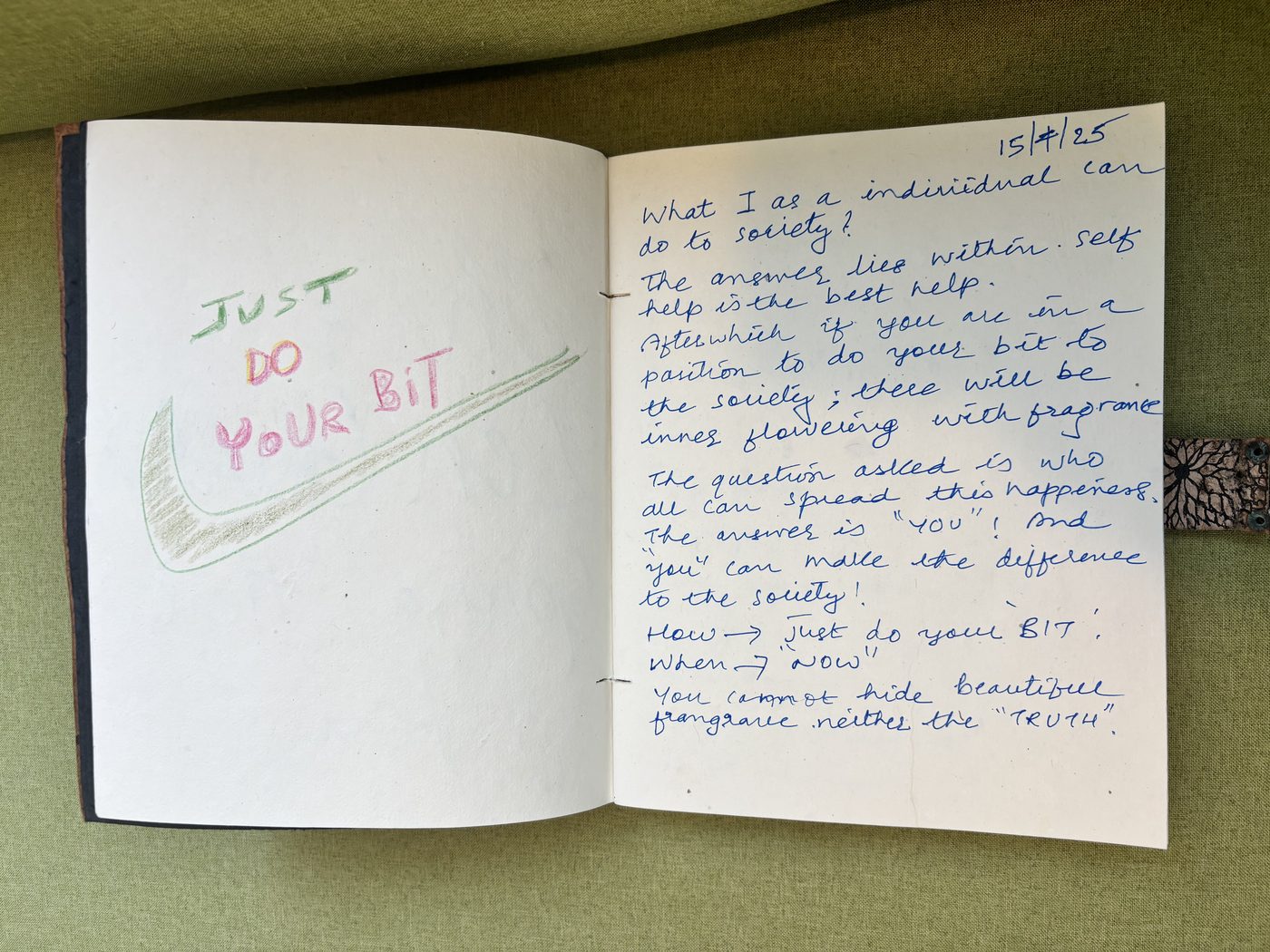
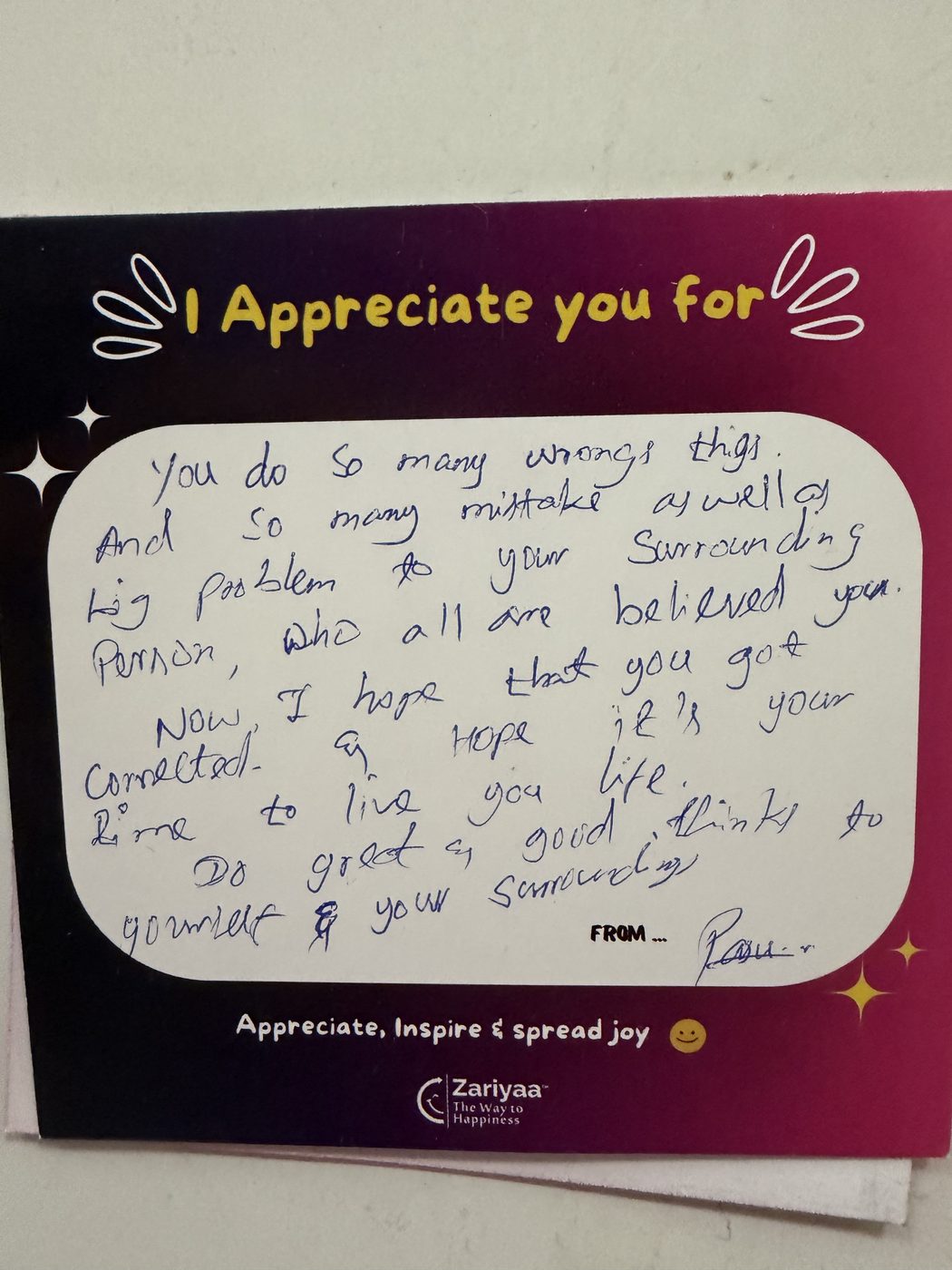
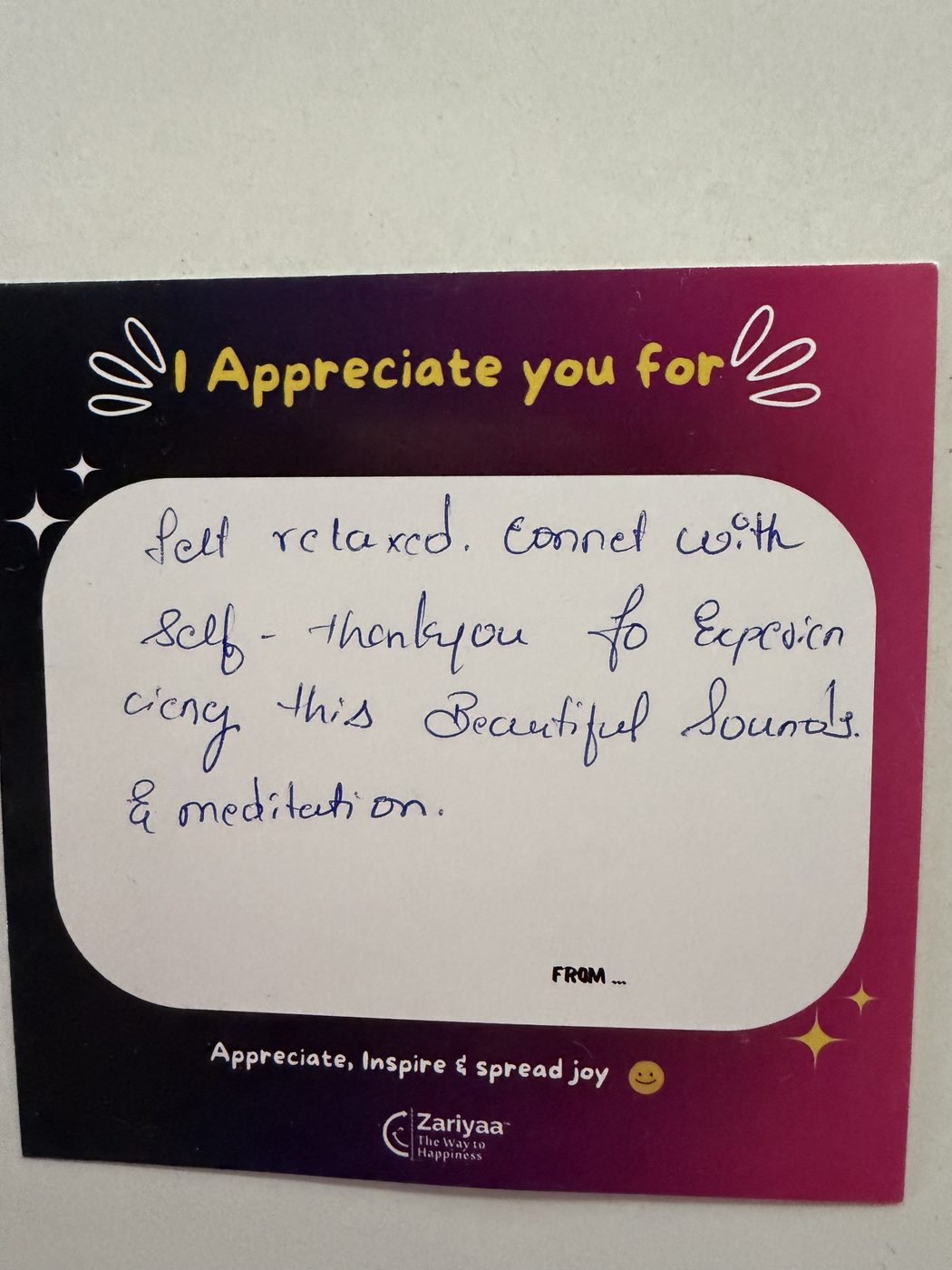
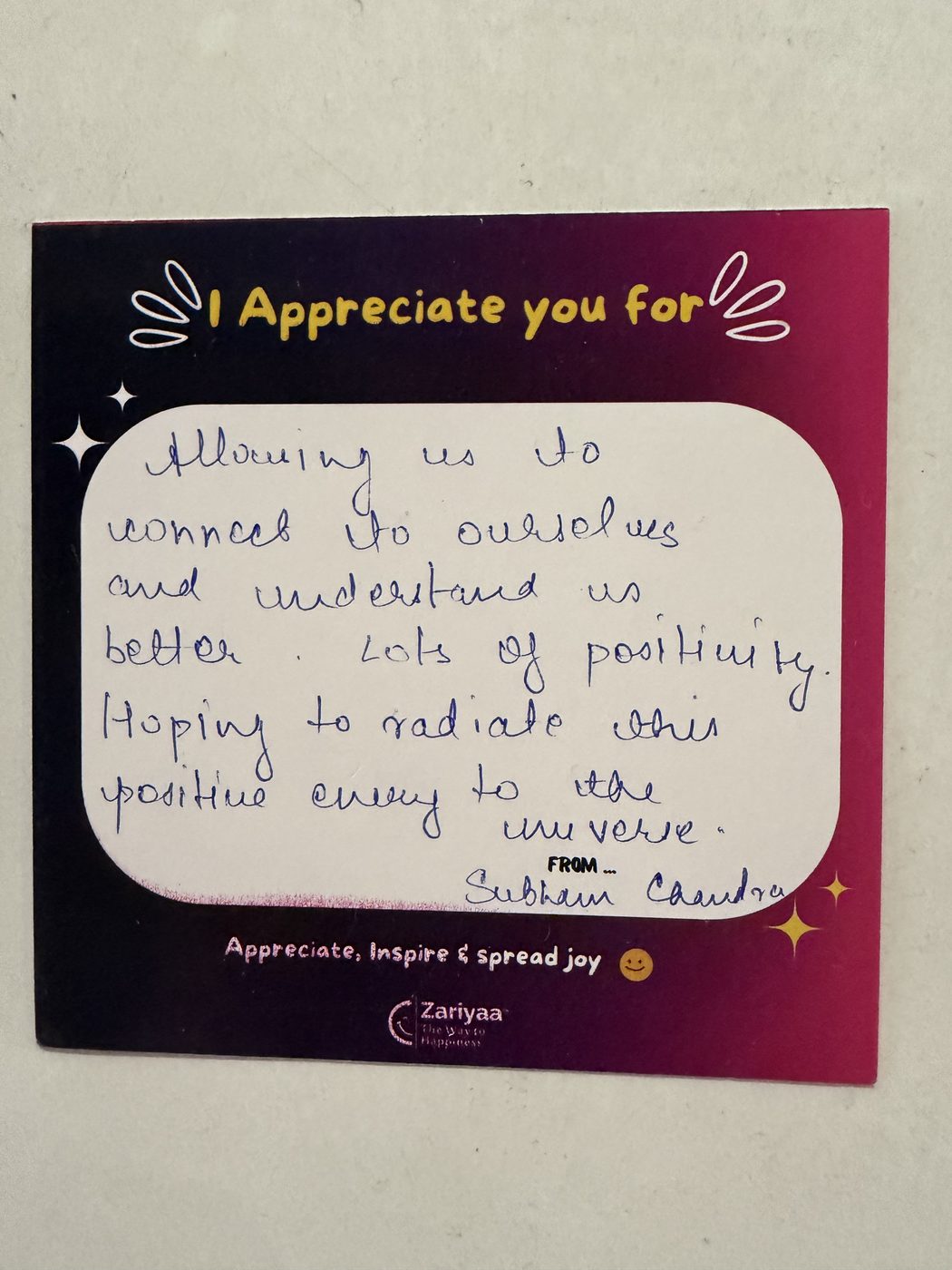
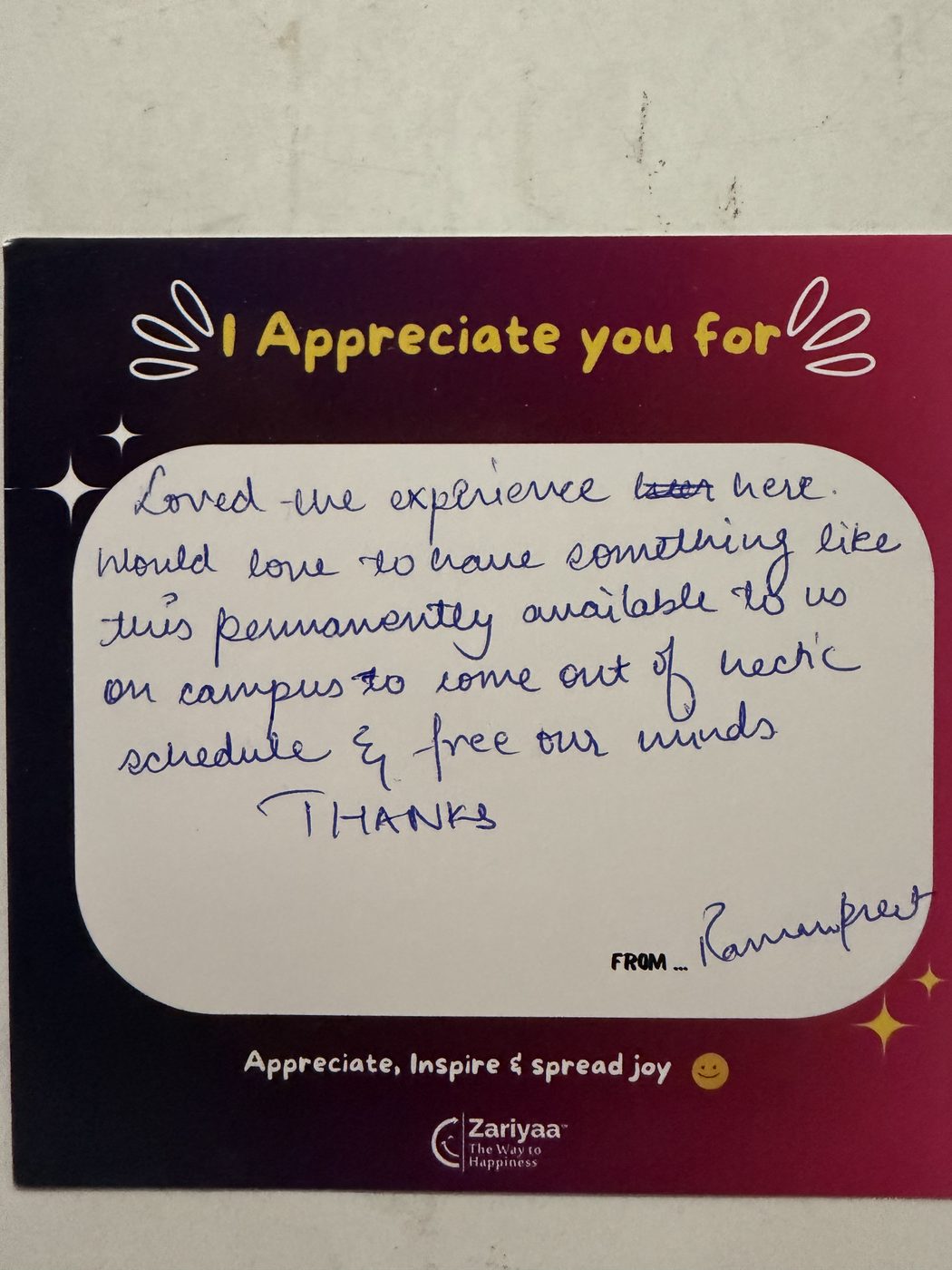
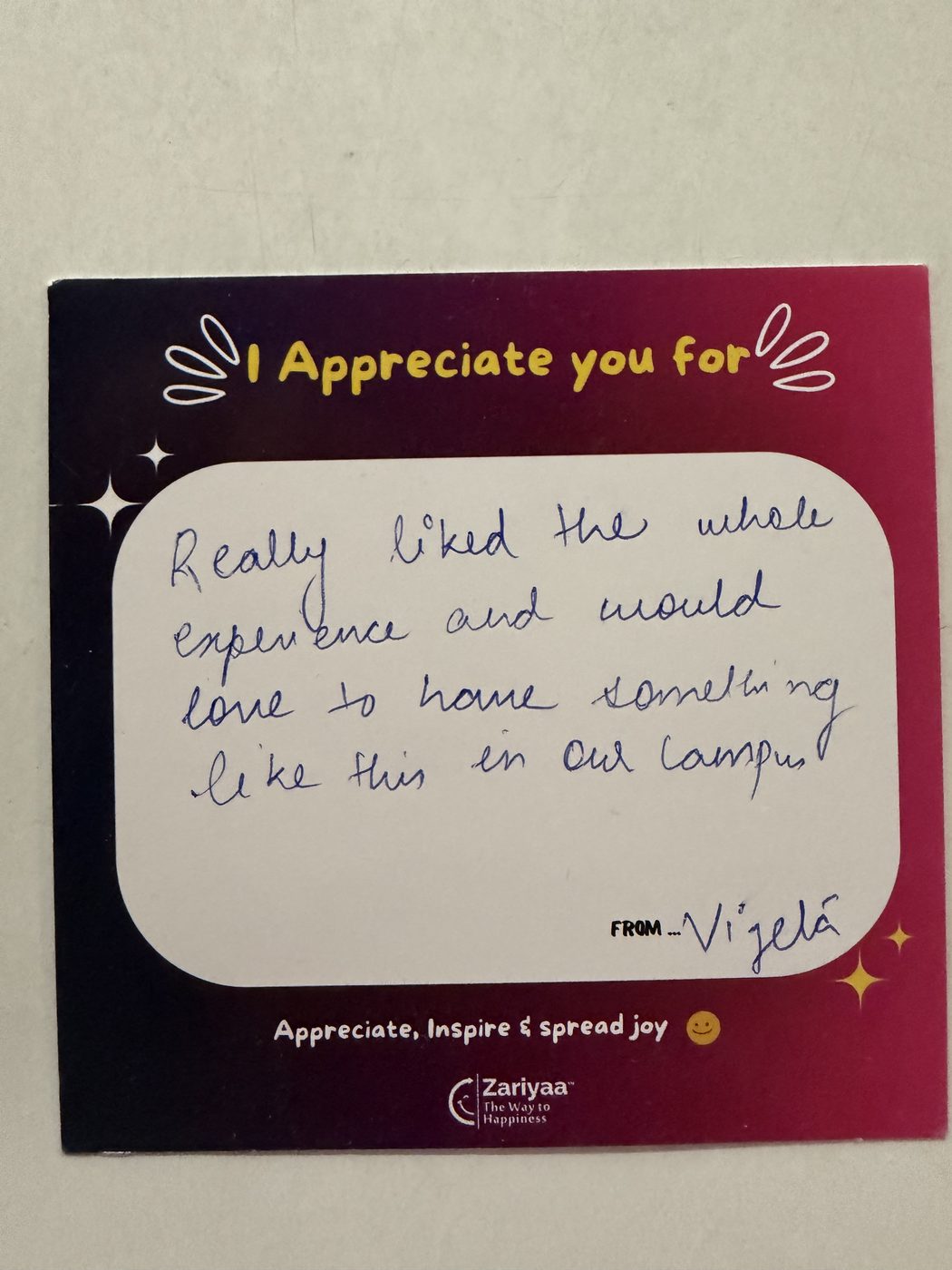
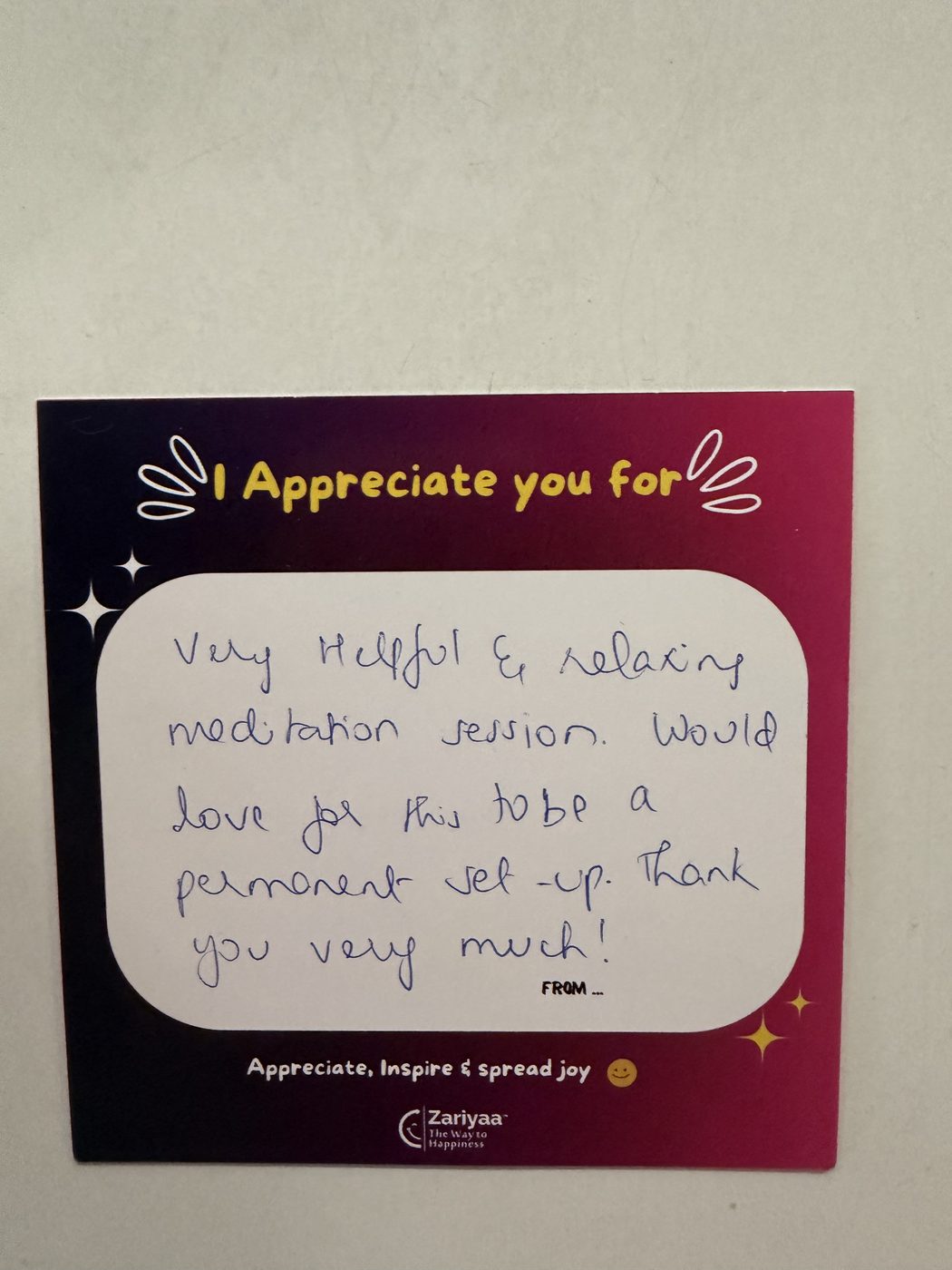
Cards left in the gratitude book across our installs. Nothing was asked for, nothing was offered in return, and nothing has been edited.
Two organisations, and a distinction worth keeping
A logo shows that an organisation has had a Zen Garden in its building. It does not turn a logo into a case study or a performance claim.
The organisations named here belong in a presence list. Usage evidence is only discussed where a record is cleared for publication.


Two organisations whose usage record is published in this volume.
If you want to know who else has had a room, ask us and we will tell you, and we will tell you which of them we have numbers for and which we do not. That distinction is the only reason any of this is worth printing.
Everything except the square footage
Zariyaa does the space planning, the build, the tools, the content and the upkeep. What we need from a client is a room and a decision.
Your facilities team does not inherit a project. Your people team does not inherit a programme to run.
Space design and experience creation
Conceptual design, spatial planning, sensory design, an aesthetic aligned to your floor.
End-to-end installation and dismantling
Turnkey buildout, Zen element install, tech integration, quality control.
Guided mindfulness experience design
A structured ten minutes: curated sessions, themed paths, audio-visual flow.
Zen Expert support
A resident Zen Expert on site every working day, guided sessions, onboarding for the floor.
Operations and maintenance
Regular upkeep, content refresh, usage monitoring, issue resolution.
Engagement and impact tracking
Usage analytics, engagement insight, feedback collection, impact reports.
An opening kept quiet
The room opens without a campaign. One internal note at most, and then the floor finds it.
Optional additions
Wellbeing days, retreats and digital content, quoted separately and never required to make the room work.
A room decays unless somebody is paid to stop it
Which is what the annual care covers, and it is charged for. The figure is not in this volume, and chapter twenty-one says why.
Space upkeep and physical maintenance
Cleaning, repair of wear items, aroma diffuser and sensory tool upkeep.
Equipment and technology maintenance
Screens, audio, lighting checks, preventive visits, troubleshooting.
Content refresh and experience updates
New themes, seasonal content, audio-visual upgrades. It is what stops the room going stale.
Zen Expert training and support
Refresher training, delivery guidelines, feedback-based improvement.
Usage monitoring and optimisation
Peak time analysis, flow optimisation, improvement recommendations.
On-demand support
A dedicated contact, a defined turnaround time, remote and on-site help.
Enhancements and upgrades
Minor upgrades, new sensory tools, and fitting in with whatever else you already run.
Quiet re-openings
When something in the room changes, the floor is told once. No drives, no reminders.
No vendor can promise how your team behaves. We promise what we will do
The operating commitments for a room are agreed in writing before any contract. They vary with the room, its staffing and the delivery plan.
- The resident Zen Expert and room operating model are set out for the specific room.
- The usage reporting approach and privacy boundary are set out before launch.
- Service and review arrangements are agreed in the operating plan.
- Commercial terms are confirmed in the proposal for that room.
Read that list again for what is missing from it. Every commitment above can only be broken by us, and can only be checked against our own conduct. That is the entire reason they are worth anything. Not one of them is a promise about how your people will behave, because we do not employ your people, and no vendor who does not employ them can promise that.
Confidentiality is not a fifth commitment on this list, and that is deliberate. It is not a favour we are extending. It is how the count is built. We keep a visit log with a name in it, in the room. The client receives the count. Turning that around would end the walking-in, and then there would be nothing left to report.
One number we publish, and the ones we do not
A proposal is sized to the floor, the room and the operating model. Commercial terms are confirmed in writing before installation.
A capital item of that size is signed off by finance as a step in the CHRO’s decision, not as a second sale to a second buyer.
| Space | What the room becomes at that size |
|---|---|
| 200 to 500 sq ft | Compact Zen Garden, all three zones, curated tools, full installation |
| 600 to 1,000 sq ft | Standard Zen Garden, expanded corners, richer tool sets |
| 1,300 to 1,500 sq ft | Premium Zen Garden, immersive zoning, the complete sequence |
| 1,700 to 3,000 sq ft | Flagship Zen Garden, a full-scale reset room across a larger footprint |
Why there is no price column, and no maintenance figure
Both were here in draft and both came out. The only installation figure we can source to our own price list is the one it starts at, and the annual cost of keeping a room alive is not yet written down anywhere we could point you to. You will get both against your own floor plan, in writing, with our name on it. A range printed in a magazine is not a quote, and we would rather leave the gap visible than fill it with something that reads like one.
For the comparison a CHRO actually makes: replacing one senior employee costs ₹38 to 62 lakh once the search, the empty seat and the ramp are all counted. That is a cost comparison and nothing more. We are not claiming this room saves you that money, and anyone who tells you they can prove it would be inventing the proof.
You do not have to believe any of this. Run it for two days on your own floor
Before any contract, we install a working Zen Garden in your office for two working days. It costs ₹2,00,000, confirmed in writing before anything comes through the door.
Nobody is told to go. By the end of the second day you hold a count of what your own people did when the room was simply there, and it is yours whether you go ahead or not. Read it as a novelty window rather than a steady state, because two days is what it is.
A conversation about your floor
What space you have, where it sits relative to the desks, and what you have already tried in that building.
Space assessment and a design
We come to the office, measure the room, and come back with a zone-by-zone design for that specific footprint.
The two-day trial
A working room goes in. Nobody is told to use it. The count reaches you at the end of each of the two days.
The numbers, in writing
Installation and operating cost against your own floor plan, quoted in writing, with our name on it.
Build, and a quiet opening
We build the room and open it without a campaign. One internal note at most, and then the floor finds it.